

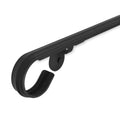
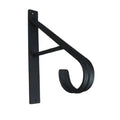

Picking the right bracket for your handrail might not sound like a big deal—but it actually makes all the difference when it comes to safety and looks. And since round handrails are one of the most common types out there, we’re focusing on them in this quick guide.
Whether you’re replacing an old one or starting from scratch, this article is here to walk you through the most common bracket types that work with round rails, and what to look out for when installing them. Nothing complicated—just useful info to make the job easier.
Why Round Handrails Are the Go-To Choice
Round handrails remain a popular choice because they’re simple, comfortable to grip, and work well in almost any environment. You’ll find them in homes, apartment buildings, offices, hospitals, schools - you name it. Their smooth, continuous shape makes them both safe and easy to use, especially on stairs and ramps where a solid, reliable grip matters most. Most round handrails range from 1.25 to 2 inches in diameter, which hits that sweet spot for hand comfort and code compliance. As for materials, wood and metal (like stainless steel, aluminum, or wrought iron) are the most popular.
Common Types of Brackets for Round Rails
Curved Saddle Brackets
If you're working with a round handrail, these are usually your safest bet. The saddle is shaped to follow the curve of the rail, which means it hugs the handrail tightly without leaving gaps. That snug fit doesn’t just look better—it also keeps everything more secure over time. I usually recommend these for both wood and metal rails, especially when you want a smooth, clean finish. Just keep in mind they’re made for round profiles only, so if you’re dealing with something flat or square, they won’t sit right.
Adjustable Angle Brackets
These are a great option if your layout isn’t perfectly straight—like on stairs with an unusual pitch or a wall that’s slightly out of line. The pivoting joint lets you tweak the angle, so you’re not stuck fighting with fixed hardware that just won’t sit flush. I always suggest these when you're working on ramps or winding staircases. They work well with round handrails, but the bonus is they also handle flat ones, which makes them a good all-around bracket to keep in mind. That said, they can be a bit bulkier than standard brackets, so just consider the look you’re going for.
Wall-Mounted Brackets with Round Saddles
When there’s no post to mount to - think narrow hallways or stairwells—these are the go-to. They anchor directly to the wall, and the round saddle gives the handrail a nice, stable resting point. I recommend these in homes or buildings where space is tight but you still want everything to look polished. One of the perks is that they come in a variety of finishes, so whether your space is modern, rustic, or somewhere in between, there’s usually something that fits. Just make sure the wall is solid enough for mounting; drywall alone won’t cut it without the proper anchors.
Material Considerations
Stainless Steel
Stainless steel is a solid choice if you're after something long-lasting and low-maintenance. It handles moisture, weather, and heavy use without a problem, which makes it perfect for outdoor setups or busy commercial spaces. It also has that clean, modern look that pairs nicely with metal or dark-toned wood. The only catch? It’s usually on the pricier side - but for many, the durability is well worth it.
Aluminum
Aluminum works well when you need something lightweight but still strong enough for everyday use. It’s naturally rust-resistant and often a bit more budget-friendly than stainless steel, which makes it a smart option for indoor railings or covered outdoor areas. It’s especially useful when mounting to drywall or lighter structures, since it won’t put too much stress on the wall. Just keep in mind—it’s not quite as tough as steel, so it's better for medium-duty use.
Brass
For a touch of elegance, brass brings a lot of character. It looks great in traditional interiors or restoration projects and pairs beautifully with darker woods. The warm, golden tone makes it stand out—but it does need a bit of care to keep its shine. It’s best used in dry, indoor spaces where it won’t be exposed to the elements too much. If style is high on your list and you don’t mind the upkeep, brass is worth considering.
Wood
Wood brackets offer a warm, natural look that works especially well with matching wood handrails. They add a handcrafted feel that fits right into rustic, classic, or craftsman-style homes. They're mostly used indoors where moisture won’t be an issue. While they’re not as strong as metal brackets, they’re a nice option when you want everything to blend in visually and don’t need heavy-duty support.
Compatibility Checks and Installation Tips
Before you grab your tools, it’s important to make sure the bracket you’ve chosen actually fits your setup. A few quick checks upfront can save you time, effort, and unnecessary drilling. Here’s what to keep in mind:
-
Handrail Diameter – The bracket saddle should match the thickness of your handrail for a snug and secure fit. Too loose, and the rail might wobble; too tight, and it won’t sit right.
-
Mounting Surface – Whether you’re attaching to drywall, concrete, wood, or metal, make sure you have the right anchors and screws for the job. Not all surfaces hold brackets the same way.
-
Load Requirements – Think about how much use the handrail will get. Heavier traffic or longer rails may need sturdier brackets and tighter spacing.
When it comes to actually installing the brackets, the basic steps are usually the same:
-
Measure and mark bracket positions
-
Drill pilot holes
-
Secure brackets with proper hardware
-
Attach the handrail and check alignment
We’ve already written a full step-by-step guide that walks you through the entire installation process with extra tips and pictures. If you're ready to install or just want to double-check your approach, head over to our blog and give it a read—it’s all there.
Read also: Step-by-Step Guide: How to Attach a Handrail to a Wall
Maintenance Tips
Maintenance for handrail brackets is thankfully pretty simple, and a little effort goes a long way in keeping everything secure and looking good. Every so often, take a moment to inspect your brackets for any signs of wear, rust, or damage—especially if they’re installed outdoors or in high-traffic areas. Catching small issues early can prevent bigger problems down the line.
For metal brackets, just wipe them down with a mild cleaner or soapy water to remove dust and grime. If they’ve started to lose their shine, a metal polish can help bring them back to life. And don’t forget to check the screws—over time, they can loosen slightly from everyday use. A quick tightening with a screwdriver is usually all it takes to keep things safe and sturdy.
Conclusion
With this quick guide, I believe anyone can handle picking and installing brackets for round handrails. It’s really just about knowing what fits, checking a few details, and following some simple steps. You don’t need to be a pro to get it done. And if you want more help, contact us or you can always check out our blog for full how-to guides and extra tips.


