

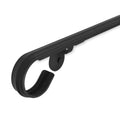
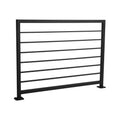
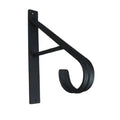

The need to remove paint from metal railings arises when the paint deteriorates, peeling, chipping, bubbling, or rusting on the surface. Whether you've been left with a substandard paint job or the paint has simply outlived its usefulness, stripping the metal railing to its bare surface gives you a fresh start.
There are three main ways to remove paint from metal railings, as described in this article: using chemicals, applying heat, and using mechanical means. Each of these techniques takes a different amount of time and costs a different amount. The type of paint used on your metal railing - enamel paint, latex paint, or powder coating - determines which technique will work best.
Project Overview: Time and Cost Estimates
|
Project Scope |
Time Required |
Material Cost |
Difficulty Level |
|
Small section (10-15 linear feet) |
4-6 hours |
$30-$60 |
Moderate |
|
Full balcony railing (25-30 feet) |
8-12 hours |
$60-$120 |
Moderate to Difficult |
|
Complete staircase railing (interior) |
6-10 hours |
$50-$100 |
Moderate |
|
Exterior railing with multiple coats |
12-16 hours |
$80-$150 |
Difficult |
Times assume one person working. Chemical stripping requires waiting periods between applications. Mechanical methods are faster but more labor-intensive.
Tools and Materials Required
Safety Equipment:
-
Chemical-resistant gloves (nitrile or neoprene)
-
Safety glasses or face shield
-
Respirator with organic vapor cartridges (for chemical strippers)
-
Drop cloths or plastic sheeting
-
Painter's tape
Chemical Stripping Method:
-
Paint stripper (gel formula for vertical surfaces)
-
Plastic putty knife or scraper
-
Wire brush
-
Mineral spirits or stripper neutralizer
-
Rags and buckets
Heat Method:
-
Heat gun (1,500+ watts)
-
Metal putty knife
-
Wire brush
-
Work gloves (heat-resistant)
Mechanical Method:
-
Angle grinder with wire wheel attachment
-
Orbital sander with 80-grit sandpaper
-
Hand wire brush
-
Dust mask or respirator
-
Vacuum with brush attachment
Post-Stripping:
-
Degreaser or TSP (trisodium phosphate)
-
Clean water and sponges
-
Rust converter (if rust is present)
-
Primer suitable for bare metal
Understanding Paint Types on Metal Railings
The paint type on your railing determines which removal method performs most effectively.
Oil-Based Enamel: The most common finish on older metal railings. Responds well to chemical strippers and heat. Multiple layers require stronger strippers or repeated applications.
Latex Paint: Water-based finish that appears on newer installations. Easier to remove with heat than oil-based paints. Chemical strippers work, but formulas designed for latex perform better than general-purpose strippers.
Powder Coating: Factory-applied finish that bonds directly to metal through an electrostatic process. The most difficult finish to remove. Requires aggressive mechanical methods or commercial-grade chemical strippers. Heat methods are largely ineffective on powder coating.
Rust-Preventive Primers: Often applied beneath topcoats on exterior railings. These contain zinc or other rust inhibitors and may require separate treatment after removing the topcoat.
If you are uncertain about the paint type, test a small section with each method to determine which produces the best results with the least effort.

Method 1: Chemical Stripping (Best for Detailed or Ornamental Railings)
Chemical strippers dissolve the bond between paint and metal, allowing the coating to lift off without mechanical abrasion. This method works particularly well on railings with decorative details, scrollwork, or areas where mechanical methods would damage the underlying metal.
Step 1: Prepare the Work Area
Cover the floor or ground beneath the railing with drop cloths or plastic sheeting. Paint stripper will drip, and the removed paint contains chemicals that should not contact finished surfaces. Tape off adjacent walls, trim, or surfaces that should remain paint-free.
Ensure adequate ventilation when working indoors. Open windows and use fans to circulate air. Chemical strippers release fumes that require respiratory protection even in well-ventilated spaces.
Step 2: Apply Chemical Stripper
Put on chemical-resistant gloves, safety glasses, and a respirator. Read the stripper manufacturer's instructions - application methods and dwell times vary by product.
Apply a thick, even coat of stripper to the railing using a disposable brush. For vertical surfaces, use gel-formula strippers that cling rather than running. Cover the entire section you intend to strip in one session. Strippers work most effectively when the entire painted surface softens simultaneously.
Most strippers require 15-30 minutes of dwell time. The paint will begin to bubble and wrinkle when ready for removal.
Step 3: Remove Softened Paint
Use a plastic putty knife or scraper to remove the softened paint. Metal scrapers work faster but risk gouging the underlying metal, particularly on wrought iron with decorative details. Scrape in the direction of any metal grain or texture.
For intricate areas, use a wire brush to work stripper into crevices and remove paint from detailed sections. Old toothbrushes or detail brushes help reach tight spots.
Step 4: Apply Additional Coats if Necessary
Railings with multiple paint layers often require a second or third application of stripper. After removing the first layer, inspect the surface. If paint remains, apply another coat of stripper and repeat the removal process.
Some stubborn areas may require spot treatment rather than re-coating the entire railing.
Step 5: Neutralize and Clean
After removing all paint, neutralize the chemical stripper according to the product instructions. Most strippers require washing with mineral spirits, denatured alcohol, or a proprietary neutralizer. This step prevents the stripper from interfering with primer and paint adhesion later.
Wipe the entire railing with clean rags dampened with the appropriate neutralizer. Allow the metal to dry completely - typically 24 hours - before proceeding to rust treatment or priming.
Chemical Stripping Pros:
-
Minimal risk of damaging ornamental details
-
No heat exposure that could warp thin metal sections
-
Effective on multiple paint layers
-
Works on difficult-to-reach areas
Chemical Stripping Cons:
-
Requires proper ventilation and respiratory protection
-
Dwell time extends project duration
-
Chemical disposal requires following local hazardous waste regulations
-
Less effective on powder coating
Method 2: Heat Gun Application (Fastest for Flat Surfaces)
Heat guns soften paint by raising its temperature until the bond with the metal weakens, allowing scraping without chemicals. This method works quickly on railings with large flat or gently curved sections.
Step 1: Set Up Work Area and Safety Equipment
Cover surrounding areas with drop cloths. Unlike chemical stripping, heat methods pose a fire risk. Remove flammable materials from the work area. Keep a fire extinguisher accessible.
Wear heat-resistant work gloves and safety glasses. While heat guns do not produce chemical fumes, the paint itself releases vapors when heated. Work outdoors or ensure strong ventilation.
Step 2: Apply Heat to Paint Surface
Hold the heat gun 2-3 inches from the painted surface. Move the gun slowly across the railing in a sweeping motion. The paint will begin to bubble and soften within 10-20 seconds.
Do not concentrate heat on one spot - this can warp thin metal sections or overheat the surrounding area. Keep the heat gun moving.
Step 3: Scrape Softened Paint
As the paint softens, use a metal putty knife held at a shallow angle to scrape it away. Work in small sections - heat a 6-12 inch area, scrape it clean, then move to the next section.
The paint will cool and harden within seconds of removing the heat source, so timing matters. Some operators prefer to heat and scrape simultaneously, holding the heat gun in one hand and the scraper in the other.
Step 4: Address Remaining Paint and Details
Flat areas strip quickly with heat. Detailed sections, corners, and joints require more attention. For ornamental areas, use a wire brush while the paint remains warm. This combination of heat and mechanical action removes paint from recessed details.
Stubborn areas may require a second pass with the heat gun or finishing with sandpaper.
Step 5: Clean the Stripped Surface
After removing all paint, wipe the railing with degreaser or mineral spirits to remove any paint residue and metal particles. This cleaning step prepares the surface for rust treatment and priming.
Heat Gun Pros:
-
No chemical fumes or disposal concerns
-
Fast on large flat sections
-
Lower material cost than chemical strippers
-
Immediate results without waiting for dwell time
Heat Gun Cons:
-
Risk of warping thin metal sections
-
Less effective on ornamental details
-
Fire hazard if used carelessly
-
Ineffective on powder coating
-
Releases paint fumes when heating
Method 3: Mechanical Removal (Most Thorough for Heavy Rust)
Mechanical methods use abrasion to physically remove paint from metal. This approach works when chemical and heat methods fail, particularly on powder-coated railings or surfaces with significant rust beneath the paint.
Step 1: Prepare for Dust and Debris
Mechanical paint removal generates substantial dust. Wear a dust mask or respirator, safety glasses, and work gloves. Cover nearby surfaces with drop cloths. For indoor work, seal doorways with plastic sheeting to contain dust.
If working outdoors, check wind direction to avoid coating cars or neighboring properties with paint dust.
Step 2: Remove Paint with Angle Grinder and Wire Wheel
Fit an angle grinder with a wire wheel attachment. Start at one end of the railing and work systematically along its length. Hold the grinder at a shallow angle and let the wire wheel do the work - excessive pressure creates gouges in the metal.
Move the grinder continuously to avoid concentrating abrasion in one spot. The wire wheel removes paint quickly but also removes some metal surface if held in place too long.
For detailed areas or tight spots, switch to a hand wire brush or smaller rotary tool with wire brush attachments.
Step 3: Sand Smooth with Orbital Sander
After removing the bulk of the paint, use an orbital sander with 80-grit sandpaper to smooth the metal surface. This step removes any remaining paint in recesses and creates a uniform surface texture for primer adhesion.
Progress to 120-grit sandpaper for a smoother finish, particularly on railings where the bare metal texture will show through the final paint coat.
Step 4: Clean All Dust and Debris
Vacuum the railing thoroughly using a brush attachment. Follow with a wipe-down using tack cloths or rags dampened with mineral spirits. Dust particles remaining on the surface prevent proper primer and paint adhesion.
For exterior railings, a final rinse with water removes remaining dust. Allow the metal to dry completely before proceeding.
Mechanical Removal Pros:
-
Most effective on powder coating
-
Removes rust simultaneously with paint
-
No chemical exposure or fumes
-
Complete control over surface preparation
-
Works in any ventilation conditions
Mechanical Removal Cons:
-
Generates substantial dust requiring containment
-
Risk of gouging or damaging ornamental details
-
Physically demanding
-
Requires power tools and associated safety precautions
-
Noise concerns in residential areas
Post-Stripping: Rust Treatment and Surface Preparation
After removing all paint, inspect the bare metal for rust. Surface rust appears as discoloration or light pitting. Deep rust creates flaking and structural damage.
For Light Surface Rust: Apply a rust converter according to the product instructions. These products chemically convert iron oxide (rust) into a stable compound that can be painted over. Allow the converter to cure fully - typically 24-48 hours - before priming.
For Heavy Rust: Use a wire brush or grinder to remove loose rust down to solid metal. Apply rust converter to any remaining staining. Deep pitting may require metal filler to create a smooth surface before painting.
For Rust-Free Metal: Clean with degreaser or TSP solution to remove any oil, grease, or contaminants. Rinse thoroughly and allow to dry completely.
Prime the bare metal within 24-48 hours of stripping to prevent flash rusting. Exposed metal oxidizes quickly when exposed to moisture.
Complete Process Summary
|
Step |
Description |
Time Required |
|
1. Choose removal method |
Select chemical, heat, or mechanical based on paint type and railing details |
15 minutes |
|
2. Gather tools and materials |
Assemble safety equipment, strippers/heat gun/grinder, and cleaning supplies |
30 minutes |
|
3. Prepare work area |
Cover floors/ground, tape off adjacent surfaces, ensure ventilation |
30-60 minutes |
|
4. Apply removal method |
Strip paint using chosen method, working in manageable sections |
3-10 hours* |
|
5. Remove all paint residue |
Scrape, brush, or sand until bare metal is exposed |
1-3 hours* |
|
6. Clean stripped surface |
Wash with appropriate cleaner, remove all dust and debris |
30-60 minutes |
|
7. Treat rust if present |
Apply rust converter or remove heavy corrosion |
30 minutes + cure time |
|
8. Prime bare metal |
Apply metal primer within 24-48 hours of stripping |
1-2 hours + dry time |
Time varies significantly based on railing size, paint layers, and method chosen
Common Mistakes to Avoid
Skipping Surface Preparation: Applying primer directly over contaminants causes adhesion failure. The cleaning step after paint removal is not optional.
Mixing Removal Methods Without Cleaning Between: Switching from chemical stripping to heat or mechanical methods without neutralizing the stripper first creates surface contamination. Each method requires proper cleanup before changing approaches.
Inadequate Ventilation: Chemical strippers and heated paint both release harmful fumes. Outdoor work is preferable; indoor work demands proper respiratory protection and air circulation.
Rushing to Prime: Allowing insufficient drying time after cleaning or rust treatment causes the primer to fail. Moisture trapped beneath primer leads to premature paint failure and rust development.
Using Inappropriate Tools on Decorative Details: Angle grinders and aggressive mechanical methods damage ornamental ironwork. Detailed sections require chemical strippers or careful hand work.
Indoor vs. Outdoor Considerations
Indoor Metal Railings:
Chemical strippers require exceptional ventilation indoors. Heat methods are safer from a fumes perspective but still demand ventilation. Mechanical methods generate dust that infiltrates the entire house without proper containment.
For indoor projects, chemical stripping with proper safety equipment and fans positioned to exhaust fumes outdoors delivers the best combination of effectiveness and safety. Our guide on painting indoor metal stair railings covers finish selection and application techniques specific to interior environments.
Outdoor Metal Railings:
All three methods work well outdoors with proper precautions. Weather conditions matter - avoid stripping in direct sunlight (chemical strippers dry too quickly), high humidity (rust forms immediately on bare metal), or temperatures below 50°F (strippers and paint do not perform correctly).
Exterior railings often have thicker paint buildup and more rust underneath. Plan for longer project times and potentially combining methods - chemical stripping for initial layers, mechanical removal for stubborn areas.
After stripping and refinishing exterior railings, proper paint selection and application protect against weather damage. Our article on protecting wrought iron fences from weather damage covers protective coatings and maintenance practices that extend the life of exterior metal finishes.
When to Strip vs. When to Paint Over
Not every failing paint job requires complete removal down to bare metal. Here is when each approach makes sense:
Strip to Bare Metal When:
-
Paint is peeling or flaking in multiple areas
-
Visible rust appears beneath the paint
-
Multiple thick layers of paint obscure decorative details
-
Previous paint job used incompatible primer or paint types
-
You want to switch from paint to powder coating (requires bare metal)
Paint Over Existing Finish When:
-
Current paint adheres well with only minor imperfections
-
Surface rust is minimal and can be spot-treated
-
Railing was previously powder-coated and the coating remains mostly intact
-
Time and budget constraints prevent full stripping
When painting over existing finishes, proper surface preparation - cleaning, light sanding, and spot priming - remains essential for adhesion and durability. If you are uncertain about your previous painting technique or want to ensure proper application after stripping, our guide on how to paint wrought iron railing covers proper surface preparation, primer selection, and paint application methods.
Choosing Your New Finish After Stripping
Once you have stripped the railing down to bare metal, selecting the right finish prevents repeating the same problems. The paint type, application method, and number of coats determine how long the new finish lasts.
For exterior railings exposed to weather, oil-based enamels and specialized metal paints provide superior durability compared to standard latex. Proper priming with a rust-inhibiting primer creates the foundation for long-term adhesion. Our complete guide on the best paints for outdoor metal railings covers finish selection, application techniques, and maintenance practices that maximize the lifespan of your refinishing work.
Disposing of Stripped Paint and Materials
Paint removed from metal railings, particularly if it contains lead (common in pre-1978 construction), requires proper disposal. Contact your local waste management authority for guidance on hazardous waste disposal.
Chemical stripper waste: Contains both the stripper chemicals and dissolved paint. This material cannot go in household trash. Most municipalities require disposal at hazardous waste collection facilities.
Paint chips and dust: If the railing was painted before 1978, assume the paint contains lead until testing proves otherwise. Lead paint debris must be contained during removal and disposed of according to EPA regulations.
Used rags and gloves: Materials contaminated with chemical strippers or oil-based paint are considered hazardous waste in many jurisdictions. Check local regulations before disposing in regular trash.
Final Recommendations
Removing paint from metal railing demands proper planning, appropriate safety equipment, and realistic time estimates. The method you select depends on the paint type, railing configuration, and whether you are working indoors or outdoors.
For ornamental railings with decorative details, chemical stripping provides the best results with minimal risk of damage. For flat or simply curved railings, heat methods work faster while avoiding chemical exposure. For powder-coated railings or surfaces with significant rust, mechanical removal delivers thorough results despite the additional labor.
Regardless of the method selected, proper surface preparation after stripping determines whether the new finish lasts five years or twenty. Rushing through the cleaning, rust treatment, and priming steps creates problems that appear within the first year of repainting.
At SI Handrails, we manufacture railings using US-produced steel and professional powder coating that eliminates the need for periodic paint stripping. When properly applied, powder coating lasts 15-20 years with minimal maintenance. For those dealing with painted railings that require stripping and refinishing, following the procedures outlined above provides a solid foundation for whatever finish you select.


