

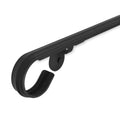
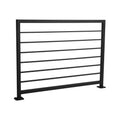
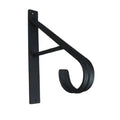

If you're standing at the bottom of your stairs, staring at that empty wall and trying to figure out how to add a handrail, you're probably facing one of the most common dilemmas in home improvement: should you go with a ready-made kit or invest in something custom-made?
At Steel Impressions, we're in the custom business, so you might think we'd automatically push you toward fully customized handrails. But honestly? That's not always the right answer for everyone. Both handrail kits for stairs and custom solutions have their place, and the best choice depends on your specific situation, budget, timeline, and what you're hoping to achieve.
Let's break down what each option really means, how they work, and most importantly, how to figure out which one makes sense for your home and your stairs.
|
Category |
Handrail Kits |
Custom Handrails |
|
Best Use |
Standard stairs, fast installs, budget projects, rentals |
Unique stairs, premium homes, long-term projects, design-focused |
|
Pros |
Affordable, quick to get, DIY-friendly, predictable sizing |
Perfect fit, any design/style, premium quality, long-lasting |
|
Cons |
Limited styles, generic look, may not fit complex stairs |
Higher cost, longer timeline, more decisions, needs pro install |
|
Typical Cost |
$50–$800 |
$500–$5,000+ |
Understanding Handrail Kits: The Pre-Packaged Solution
What Are Stair Railing Kits?
Handrail kits for stairs are essentially pre-designed, pre-sized packages that include everything you need to install a handrail system. Think of them like furniture from a big box store: they come with all the components, hardware, and instructions necessary to complete the installation.
A typical kit includes the handrail itself (often in standard lengths like 4, 6, or 8 feet), mounting brackets, screws or anchors, and sometimes even the tools you'll need. More comprehensive stair railing kits might also include balusters, posts, and connectors if you're doing a complete railing system rather than just a wall-mounted handrail.
How Kits Work
The process is straightforward. You measure your stairs, select a kit that matches your measurements (or the next size up), order it, and install it following the provided instructions. Most handrail kits are designed for DIY installation, meaning you don't necessarily need professional help if you're reasonably handy with basic tools.
Kits come in various materials (wood, metal, composite), styles (modern, traditional, industrial), and finishes. You're choosing from pre-determined designs rather than creating something from scratch.
What You Need for Kit Installation
The barrier to entry is relatively low. You'll need basic tools: a drill, level, measuring tape, pencil, and possibly a saw if you need to trim the handrail to exact length. Most kits are designed to mount to standard wall studs or use specialized anchors for drywall or masonry.
Installation typically takes a few hours for someone with moderate DIY skills. The instructions walk you through finding studs, marking mounting points, drilling pilot holes, and securing the brackets and handrail.
Budget Considerations for Kits
This is where kits really shine. Handrail kits for stairs generally range from $50 to $300 for basic wall-mounted options, with more elaborate stair railing kits running $300 to $800 if they include balusters and posts. You're looking at mass-production pricing, which keeps costs down.
There's no consultation fee, no design time, and no custom fabrication markup. What you see is what you pay. If you're doing the installation yourself, you're only paying for materials, not labor.
Read also: Handrail Installation: A Complete DIY Guide
Understanding Custom Handrails: The Tailored Approach
What Does "Custom" Really Mean?
A custom handrail is designed and fabricated specifically for your staircase and your preferences. Nothing is pulled from existing inventory; instead, every aspect is made to your specifications.
This means the measurements are exact for your space (no "close enough" or trimming to fit). The design can be anything you envision, from simple and modern to ornately detailed. The materials, finishes, mounting style, and every other detail are chosen specifically for your project.
How Custom Work Functions
The process is more involved than ordering a kit. It typically starts with consultation, where you discuss your vision, needs, and constraints. Then comes measurement - precise measurements of your staircase, including angles, rise, run, and any architectural quirks.
Next is design, where you (often with guidance) decide on style, profile, materials, finish, and details. After you approve the design, fabrication begins. This is where skilled craftspeople cut, weld, shape, and finish your handrail. Finally comes installation, which might be done by you, by the fabricator, or by a contractor depending on complexity.
What You Need for Custom
The requirements are different here. You need accurate measurements (often best done by professionals), a clear vision or at least clear communication about your preferences, and patience because custom work takes time.
You'll also need a budget that accounts for design consultation, custom fabrication, premium or specialized materials if desired, and potentially professional installation depending on the complexity.
Budget Considerations for Custom
Custom handrails typically start around $500 for simple designs and can easily reach $2,000 to $5,000 or more for complex projects with premium materials, intricate designs, or extensive systems. You're paying for individual attention, skilled craftsmanship, unique design, and perfect fit.
The timeline is longer, too. Where a kit might arrive in a week and be installed in an afternoon, custom work might take 3 to 6 weeks from initial consultation to final installation.

Handrail Kits: The Advantages, Drawbacks, and Best Uses
The Upside of Choosing Kits
Affordability and Predictability
The most obvious advantage of stair railing kits is cost. You know exactly what you're paying upfront, with no surprises or additional fees. For budget-conscious homeowners or rental property owners, this predictability matters.
Speed and Convenience
Need a handrail quickly? Kits are the answer. Order today, receive in a few days, install over a weekend. If you're preparing a house for sale or need to meet code requirements fast, this timeline is hard to beat.
DIY-Friendly
Kits are designed with the average homeowner in mind. The instructions are (usually) clear, the hardware is included, and the process doesn't require specialized skills or tools. There's satisfaction in completing a project yourself, plus you save on labor costs.
No Decision Fatigue
With custom work, you face countless decisions about every detail. Kits simplify this: pick a style you like, choose a finish, select a size. Done. For people who find too many choices overwhelming, this streamlined approach is actually a benefit.
Reasonable Quality
Modern handrail kits, especially from reputable manufacturers, offer decent quality. They meet building codes, function properly, and look fine in most homes. They're not premium products, but they're serviceable and reliable.
Easy Returns and Replacements
If a component is damaged or doesn't fit, most manufacturers will send replacements. You're dealing with standardized parts and established customer service systems.
The Limitations to Consider
Limited Customization
You're choosing from existing designs, not creating your own. If your staircase has unusual angles, non-standard dimensions, or unique architectural features, kits might not fit properly or look quite right.
Generic Appearance
Because kits are mass-produced, they're designed to appeal to broad tastes, which often means safe, generic styling. Your handrail might look identical to hundreds of others in homes across the country. There's no uniqueness or character.
Sizing Compromises
Kits come in standard lengths. If your staircase is 7.5 feet and kits come in 6 or 8-foot options, you're either cutting down (wasting material) or dealing with seams and connections that might be visible and less secure.
Material and Finish Limitations
You get what's offered. If the kit comes in satin nickel but you want matte black, you might be out of luck. Want wrought iron with a hammered finish? Probably not available as a kit.
Quality Variations
Not all kits are created equal. Lower-priced options might use thinner materials, cheaper hardware, or finishes that wear quickly. It's harder to assess quality when shopping online compared to seeing custom work in progress.
Installation Challenges
While marketed as DIY-friendly, some homeowners discover their walls aren't standard, their stairs have quirks, or the instructions aren't as clear as advertised. You might end up needing professional help anyway, negating some of the cost savings.
When Kits Are Your Best Bet
Budget-Conscious Projects
If you're working with limited funds and need a functional, code-compliant handrail without frills, kits are the practical choice. They deliver safety and basic aesthetics at an accessible price point.
Rental Properties or Flips
When you're installing handrails in investment properties, the economics often favor kits. You need something that works and looks decent, but you're not trying to create a showpiece.
Standard Staircase Configurations
If your stairs are straight, standard width, and have conventional angles, stair railing kits will likely fit well. The more typical your situation, the better kits work.
Quick Turnarounds
Selling your house and the inspector flagged a missing handrail? Need to pass a rental inspection next week? Kits save the day when time is critical.
DIY Enthusiasts on Simple Projects
If you enjoy hands-on projects and have basic skills, installing handrail kits for stairs can be a satisfying weekend project. Just make sure the complexity matches your skill level.
Temporary Solutions
Planning a major renovation down the road but need something functional now? A kit provides an interim solution without major investment.
Matching Existing Mass-Produced Elements
If your home already has builder-grade elements and you're aiming for consistency rather than standing out, kits that match existing styles make sense.
Custom Handrails: The Benefits, Challenges, and Ideal Scenarios
Why Custom Makes a Difference
Perfect Fit
This is the big one. Custom handrails are made to your exact measurements. No trimming, no gaps, no compromises. They account for the specific angles and dimensions of your staircase, resulting in a seamless, professional look.
Unlimited Design Possibilities
Want scrollwork at the ends? Done. Prefer a hammered texture? No problem. Need it to match existing ironwork? We can do that. Custom means your vision becomes reality, not settling for "close enough."
Premium Materials and Craftsmanship
Custom work typically uses higher-quality materials and involves skilled artisans. The welds are cleaner, the finishes are more durable, and the overall construction is more robust. You're getting craftsmanship, not just a product.
Architectural Integration
Custom handrails can be designed to complement your home's specific architectural style, whether that's Victorian, mid-century modern, or contemporary. They become part of the home's character rather than an obviously added afterthought.
Unique Character
Your handrail won't exist anywhere else. There's value in that uniqueness, both aesthetically and in terms of home value. Custom architectural details are noticed and appreciated by future buyers.
Problem-Solving Ability
Got an awkward corner? Unusual wall construction? Historic home with quirks? Custom fabricators can engineer solutions to challenges that would make kit installation impossible or unattractive.
Long-Term Value
While more expensive upfront, custom handrails often last longer and maintain their appearance better than kit options. The quality materials and construction mean fewer repairs and replacements over decades.
The Trade-Offs of Going Custom
Higher Cost
There's no getting around it: custom work costs more. You're paying for individual attention, skilled labor, premium materials, and unique fabrication. For some budgets, this just isn't feasible.
Longer Timeline
Patience is required. From consultation to installation might take 4 to 8 weeks or more. If you need a handrail immediately, custom isn't the way to go.
Decision-Making Required
You'll make dozens of decisions: style, profile, finish, mounting method, design details. For some people, this creative process is fun. For others, it's exhausting and stressful.
Finding the Right Fabricator
Not all custom metalworkers are equally skilled or reliable. You need to research, get references, review portfolios, and possibly wait for availability if the best craftspeople are booked out.
Limited Recourse
If you don't like the result or if there are issues, resolution can be more complicated than with kits. You're working with small businesses or individual craftspeople, not large companies with standardized return policies.
Potential for Miscommunication
Custom work requires clear communication. If you're not good at articulating your vision or the fabricator doesn't understand your needs, the result might not match your expectations.
When Custom Is Worth the Investment
Unique or Complex Staircases
Curved stairs, multiple landings, unusual angles, or non-standard dimensions often make kits impractical. Custom fabrication solves these challenges elegantly.
High-End Homes and Renovations
If you're building or renovating a premium home where architectural details matter, custom handrails match the quality level of the overall project. Cutting corners here would be inconsistent with the rest of the investment.
Historic Restoration
Older homes with specific architectural styles (Victorian, Craftsman, Colonial) deserve handrails that respect and enhance that character. Custom work can replicate historic details or create sympathetic new designs.
Homes with Unique Aesthetic Visions
If you have a clear design vision, whether ultra-modern, industrial, rustic, or eclectic, custom work brings that vision to life in ways kits simply cannot.
Long-Term Family Homes
When you're building or renovating your forever home, the longer timeline and higher cost of custom work are justified by decades of daily use and enjoyment.
When Architectural Integration Matters
If you want your handrail to coordinate with other custom metalwork (gates, fireplace screens, light fixtures), custom fabrication ensures consistency in style, finish, and quality.
Accessibility Needs
Custom handrails can be designed with specific ergonomic requirements, heights, or features that support family members with mobility challenges in ways standard kits cannot.
Boosting Resale Value
In competitive real estate markets, custom architectural details differentiate your home and can justify higher asking prices. Quality handrails are noticed during showings and inspections.
Making Your Decision
So which should you choose? Start by honestly assessing these factors:
Your Budget: What can you realistically afford, not just for materials but for installation if needed?
Your Timeline: When do you need this completed? Be honest about whether you can wait weeks for custom work.
Your Staircase: Measure carefully and assess complexity. The more standard your situation, the more viable kits become.
Your Skills: Are you comfortable with DIY installation? Have you completed similar projects successfully?
Your Home's Value and Style: Does your home justify the investment in custom details, or are you better served by practical, affordable solutions?
Your Long-Term Plans: Staying for decades or selling soon? Your timeline affects what makes financial sense.
Your Personal Priorities: Do you value uniqueness and craft, or are function and budget your main concerns?
There's no wrong answer here, just the answer that's right for your specific situation. We've seen beautiful kit installations and we've created custom pieces we're incredibly proud of. Both have their place in the world of home improvement.
Our Perspective: Where Custom Shines
At Steel Impressions, our expertise is in custom fabrication, and we believe that's where we provide the most value. When someone comes to us, they're usually facing a situation where standard handrail kits for stairs won't quite work, or they have a vision for something special that deserves individual attention.
We love the problem-solving aspect of custom work: figuring out how to make a handrail work with a tricky staircase, or bringing a homeowner's design ideas to life in steel and iron. There's satisfaction in creating something that fits perfectly and looks exactly right, something that becomes a permanent architectural feature rather than just a functional addition.
That said, we understand custom isn't always the right choice. We'd rather see you install a quality kit that meets your needs than struggle with a custom project that exceeds your budget or timeline.
The three generations of experience in our family have taught us that good craftsmanship matters, but so does matching the solution to the problem. Sometimes that solution is a kit. More often, for the clients who find us, it's custom work that honors their home and their vision.
Ready to Explore Your Options?
Whether you're leaning toward the convenience of stair railing kits or interested in exploring custom possibilities, we're here to help you make the right decision for your home. Visit SI Handrails to see our collection of custom handrails and get a sense of what's possible when you choose quality craftsmanship. And if you're not sure which direction to go, reach out. We're happy to talk through your situation and provide honest guidance, even if that guidance is that a kit might serve you better. Our goal is helping you get the right handrail for your home, whatever form that takes.


