


Choosing the best finish for handrail surfaces determines how your staircase looks, how long it lasts, and how much maintenance you'll deal with over the years. Whether you're working with wood, metal, or wrought iron handrails, the finish you select affects durability, appearance, and daily upkeep. This guide breaks down the most popular finishes for each handrail type, compares their performance across key factors, and helps you make the right choice for your home.

Wrought Iron and Steel Handrail Finishes
Let's start with wrought iron and steel railings since they're our specialty at SI Handrails. After three generations of fabricating custom metal railings using US-made steel, we've seen which finishes truly stand the test of time.
1. Powder Coating (Matte Black)
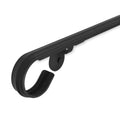
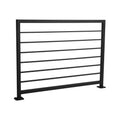
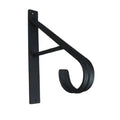
Powder coating is the gold standard for wrought iron and steel handrails, and matte black is by far the most requested finish. The process involves applying a dry powder electrostatically, then curing it in an oven where it bonds directly to the metal surface. This creates a finish that's essentially part of the metal itself.
Durability: Exceptional. Powder coating is typically twice as thick as paint and incredibly resistant to chipping, scratching, and UV damage. With proper care, it lasts 15-20 years before needing any touch-ups.
Maintenance: Very low. Wipe down with a damp microfiber cloth and mild soap. No special cleaners needed, and the matte finish hides fingerprints and dust better than glossy alternatives.
Appearance: Contemporary and sophisticated. Matte black provides that architectural definition that's dominating 2026 interior design trends. It works in modern homes, traditional spaces, and everything in between.
Cost: Mid to high initial investment, but the longevity means lower lifetime costs compared to paint.
Want to keep your wrought iron looking perfect? Check out our complete guide on how to clean wrought iron for detailed maintenance tips that protect your finish.
2. Powder Coating (Oil-Rubbed Bronze/Dark Bronze)
Oil-rubbed bronze or dark bronze powder coating offers a warmer alternative to matte black while maintaining all the durability benefits of powder coating. This finish works particularly well in traditional and transitional homes.
Durability: Excellent. Same powder coating process as matte black means the same exceptional resistance to wear, UV damage, and corrosion.
Maintenance: Very low. Requires the same simple cleaning as matte black, just wipe with a damp cloth.
Appearance: Rich and warm. Bronze finishes add depth without the stark contrast of black. They work beautifully with wood tones and warmer color palettes.
Cost: Similar to matte black powder coating, with comparable long-term value.
3. High-Quality Enamel Paint
While we primarily work with powder coating, painted finishes are worth discussing since many homeowners consider repainting existing railings. High-quality enamel paint designed specifically for metal can work, but it doesn't match powder coating's durability.
Durability: Good, but significantly less than powder coating. Enamel paint may show wear in high-traffic areas after 5-7 years and is more prone to chipping.
Maintenance: Moderate. Requires occasional touch-ups where paint chips. More vulnerable to scratches than powder coating.
Appearance: Can achieve various looks from matte to glossy. Color options are virtually unlimited with paint.
Cost: Lower initial cost, but higher long-term costs due to more frequent repainting needs.
If you're considering painting metal railings yourself, our article on how to paint indoor metal stair railings covers everything you need to know about prep, application, and getting professional results. For outdoor applications, see our guide to the best paints for outdoor metal railings.
|
Finish Type |
Durability |
Maintenance |
Initial Cost |
Lifetime Value |
Best For |
|
Powder Coat (Matte Black) |
Excellent (15-20 years) |
Very Low |
$$$ |
Excellent |
Modern, Contemporary, All Styles |
|
Powder Coat (Bronze) |
Excellent (15-20 years) |
Very Low |
$$$ |
Excellent |
Traditional, Transitional |
|
High-Quality Enamel Paint |
Good (5-7 years) |
Moderate |
$ |
Fair |
Budget Projects, DIY |
Wood Handrail Finishes
Wood handrails require different finish considerations than metal. The goal is protecting the wood while enhancing its natural beauty, or completely changing its appearance with paint or stain.

1. Polyurethane (Satin or Semi-Gloss)
Polyurethane is the workhorse finish for wood handrails, and for good reason. It provides excellent protection while letting wood's natural grain show through.
Durability: Excellent. Oil-based polyurethane is one of the toughest clear finishes available for wood, handling the constant contact and hand oils that handrails endure.
Maintenance: Low to moderate. Dust regularly and clean with wood-safe cleaners. May need light sanding and a fresh coat every 5-10 years depending on traffic.
Appearance: Enhances natural wood grain beautifully. Satin finish offers subtle sheen that hides minor scratches better than glossy finishes. Can amber slightly over time with oil-based versions.
Cost: Moderate. Requires multiple coats (typically 2-3) with sanding between each, but provides long-lasting protection.
2. Wood Stain + Sealer
Staining wood before sealing with polyurethane or similar topcoat allows you to change wood's color while still showing grain patterns. This is the best choice when you want to match handrails to existing flooring or trim.
Durability: Good to excellent, depending on the topcoat used. The stain itself doesn't protect, the sealer does.
Maintenance: Moderate. Similar to polyurethane alone, but any wear will show lighter wood beneath the stain color.
Appearance: Unlimited color options from light honey tones to dark espresso. Popular handrail stain colors for 2026 include warm walnut, weathered oak, and rich cherry tones.
Cost: Moderate to high. Requires additional step of staining before sealing, adding labor time.
3. Paint (Semi-Gloss or Satin)
Painted wood handrails create bold design statements and are especially popular in homes with painted trim and doors. White painted handrails with dark stained or black metal balusters create striking contrast.
Durability: Good. Quality paint protects wood well, but high-contact areas will show wear over time.
Maintenance: Moderate to high. Painted surfaces show chips and wear more obviously than stained wood. Requires more frequent touch-ups.
Appearance: Clean and crisp. Best handrail paint finishes are semi-gloss or satin, glossy enough to wipe clean easily but not so shiny they show every imperfection.
Cost: Moderate. Multiple coats needed, with proper priming essential for longevity.
|
Finish Type |
Durability |
Maintenance |
Natural Wood Visible |
Best For |
|
Polyurethane (Clear) |
Excellent (7-10 years) |
Low-Moderate |
Yes |
Natural wood lovers, traditional homes |
|
Stain + Polyurethane |
Good-Excellent |
Moderate |
Yes (colored) |
Matching existing wood tones |
|
Paint (Semi-Gloss) |
Good (5-7 years) |
Moderate-High |
No |
Modern contrast, bright interiors |
Metal Handrail Finishes (Non-Iron)
For metal handrails made from aluminum, stainless steel, or other non-ferrous metals, finish options differ slightly from wrought iron.

1. Anodized Finish (Aluminum)
Anodizing is an electrochemical process that thickens aluminum's natural oxide layer, creating a durable, corrosion-resistant finish that's actually part of the metal.
Durability: Exceptional. Anodized finishes are extremely hard and scratch-resistant. They won't peel or chip because they're integral to the metal.
Maintenance: Very low. Wipe clean with mild soap and water. Resists fingerprints and maintains appearance for decades.
Appearance: Metallic and modern. Available in natural silver, bronze, black, and other colors. Has a distinctive metal sheen.
Cost: Moderate to high. More expensive than paint but extremely cost-effective long-term.
2. Brushed Stainless Steel (Natural)
Brushed stainless steel leaves the metal in its natural state with a directional grain finish. No coating is applied, the appearance comes from the brushing process.
Durability: Excellent. Stainless steel naturally resists corrosion. The brushed finish helps hide minor scratches.
Maintenance: Low to moderate. Shows fingerprints and water spots more than other finishes. Regular cleaning maintains appearance.
Appearance: Industrial and contemporary. Brushed finish is softer than polished steel. Works beautifully in modern, minimalist, and industrial-style spaces.
Cost: High material cost, but no finishing process needed.
3. Powder Coating (Various Colors)
Powder coating works just as well on aluminum and other metals as it does on steel and iron.
Durability: Excellent. Same benefits as powder-coated wrought iron, chip-resistant, UV-stable, long-lasting.
Maintenance: Very low. Simple wipe-down keeps it looking new.
Appearance: Any color imaginable with various sheen levels. Popular choices include black, white, bronze, and custom colors.
Cost: Moderate to high initially, excellent long-term value.
|
Finish Type |
Durability |
Maintenance |
Appearance |
Best For |
|
Anodized (Aluminum) |
Exceptional (20+ years) |
Very Low |
Metallic sheen |
Modern, architectural |
|
Brushed Stainless |
Excellent (Lifetime) |
Low-Moderate |
Natural metal |
Contemporary, industrial |
|
Powder Coating |
Excellent (15-20 years) |
Very Low |
Color flexibility |
Any style |
Comparing Finishes Across All Handrail Types
When choosing the best finish for handrail applications, consider these key factors:
Durability Ranking (Best to Good)
-
Anodized aluminum and brushed stainless steel (integral finishes)
-
Powder coating on any metal (wrought iron, steel, aluminum)
-
Polyurethane on wood
-
Paint on metal or wood
-
Stain + sealer on wood
Maintenance Ranking (Lowest to Highest)
-
Powder-coated metals (all types)
-
Anodized aluminum
-
Brushed stainless steel
-
Clear polyurethane on wood
-
Painted wood
-
Stained wood
Best Appearance for Different Styles
Modern/Contemporary: Powder-coated matte black metal, brushed stainless steel, anodized aluminum, or painted wood in crisp white
Traditional: Powder-coated bronze metal, stained wood with polyurethane in medium to dark tones
Transitional: Combination finishes (metal with wood), oil-rubbed bronze, warm walnut stains
Industrial: Brushed metals, matte black powder coating, clear-sealed natural woods
Farmhouse/Rustic: Painted wood (usually white), oil-rubbed bronze metals, lighter wood stains
Making Your Decision: What Matters Most?
The best finish for your handrail depends on your priorities:
If longevity is your top concern: Choose powder-coated metal or anodized aluminum. These finishes last longest with least maintenance.
If you want natural wood appearance: Go with polyurethane over natural or lightly stained wood. Satin sheen hides wear better than gloss.
If you're matching existing elements: Stained wood can match flooring; powder coating offers any metal color to coordinate with hardware and fixtures.
If budget is tight initially: Paint offers lowest upfront cost, though you'll invest more time in maintenance.
If you value low maintenance: Powder-coated finishes (any color) and anodized metals require almost no upkeep beyond occasional cleaning.
Special Considerations for High-Traffic Areas
Handrails in busy households need extra consideration. High-traffic areas demand:
-
Maximum durability: Powder coating or polyurethane over paint
-
Easy cleaning: Satin or matte finishes hide fingerprints better than gloss
-
Touch-up friendly: If using paint, keep extra for inevitable touch-ups
-
Non-slip when wet: Avoid high-gloss finishes that can become slippery
Conclusion: Choose Based on Material and Lifestyle
The best finish for handrails ultimately depends on your material choice and how you live in your space. At SI Handrails, we fabricate custom wrought iron and steel railings with premium powder coating because we believe it offers the best combination of durability, appearance, and long-term value. Our matte black finish has stood behind thousands of installations over three generations, it's what we recommend when customers ask for our honest opinion.
For wood handrails, polyurethane provides tried-and-true protection. For other metals, powder coating or anodizing delivers exceptional results. Whatever you choose, prioritize quality, whether that's quality steel like we use, quality wood species, or quality finishing materials. The best finish applied to inferior materials still won't perform well long-term.
Ready to explore custom wrought iron handrails with professional powder coat finish? Contact us to discuss your project. We'll help you choose the right style and finish for your specific application, then fabricate railings using US-made steel and the durable finishes we've trusted for generations.
Frequently Asked Questions
What is the most durable finish for wood handrails?
Oil-based polyurethane. Apply 2-3 coats with light sanding between each. It handles constant hand contact and moisture better than water-based versions and lasts longer.
Is powder coating better than paint for metal handrails?
Yes. Powder coating lasts 15-20 years compared to 5-7 years for paint. It won't peel, chip, or flake because it bonds directly to the metal. Higher initial cost but better long-term value.
What are the best handrail stain colors for 2026?
Warm walnut, honey oak, and weathered driftwood are leading trends. For contrast designs, medium to dark espresso stains remain popular choices.
How often do wood handrails need refinishing?
Every 7-10 years for polyurethane finishes, 5-7 years for paint. High-traffic areas may need attention sooner. Refinish when the surface looks dull, feels rough, or shows visible wear.
Can I paint over stained wood handrails?
Yes. Clean thoroughly, sand lightly, apply primer designed for glossy surfaces, then 2-3 coats of semi-gloss paint. Don't skip the primer or the paint won't stick properly.
What's the difference between oil-based and water-based polyurethane for handrails?
Oil-based is more durable and better for handrails despite longer drying time (8 hours between coats). Water-based dries faster (2-3 hours) and stays clearer but isn't as tough.
How do I maintain powder-coated metal handrails?
Wipe weekly with microfiber cloth and mild soap. Avoid abrasive cleaners. For stubborn spots, use diluted vinegar. That's it, no special treatments needed. For more details, see our guide on cleaning wrought iron railings.
Should I use gloss, semi-gloss, or matte finish on handrails?
Satin/semi-gloss for wood, durable and wipeable without showing every scratch. Matte for metal, hides fingerprints and dust better while looking modern. Avoid high-gloss on handrails as it shows every smudge.


