


There's this outdated assumption that accessibility features have to look clinical, institutional, or like medical equipment bolted onto your property as an afterthought. I see it all the time - people delay installing ramps they genuinely need because they're worried about destroying their home's curb appeal or creating something that screams "medical necessity" to everyone who visits.
Here's what we've learned after designing and installing countless ramp handrails: ADA compliance and beauty aren't mutually exclusive. In fact, some of the most elegant railings we've ever created have been for ramps. The key is understanding where the rules are firm (and why they exist) and where you have creative freedom to make something that's both functional and genuinely attractive.
Ramps serve two very different contexts, and your approach depends entirely on where you're installing. Public spaces - whether that's a business, government building, or any facility serving the general public - have strict requirements because they need to work for everyone. Your home ramp? That's a different story. You're still working within safety guidelines, but you have significantly more latitude to customize for specific needs and aesthetics.
We've detailed all the ADA requirements extensively in our article on How to Apply ADA Handrail Guidelines at Home, so I won't rehash every measurement here. Instead, let's talk about how to work within those guidelines to create ramp handrails that are both compliant and beautiful - whether you're dealing with the rigid constraints of public spaces or the creative opportunities of residential installations.
Understanding the Context: Public vs. Private
Before we dive into design ideas, you need to understand the fundamental difference between these two scenarios because it affects everything from your legal obligations to your creative options.
Public Space Ramps: The Non-Negotiables
When you're installing a ramp in any public or commercial setting - retail stores, office buildings, restaurants, medical facilities, government buildings, or any space the public can access—you're bound by the full weight of ADA regulations. These aren't suggestions. They're legal requirements, and non-compliance can result in lawsuits, fines, and forced modifications.
The reason is straightforward: public spaces must accommodate everyone. You don't know who's going to use that ramp - someone who's 5'2" or 6'4", someone with full upper body strength or limited grip, someone with perfect vision or significant impairment. The regulations exist to create a baseline that works for the broadest possible range of people.
Your creativity is exercised within tight parameters. You're choosing finishes, materials that meet requirements, subtle design elements, and quality of execution. You're not reinventing the form - you're refining it.

Home Ramps: Where Customization Lives
Your private residence operates under different rules. While many homeowners choose to follow ADA guidelines because they represent best practices developed over decades of research, you're not legally required to (unless you're building new construction or doing major renovations that trigger building code requirements, which vary by jurisdiction).
More importantly, you know exactly who's using this ramp. Maybe it's you recovering from knee surgery. Maybe it's your father who uses a walker. Maybe it's your spouse in a wheelchair. You can customize everything—height, configuration, materials, aesthetics—to serve that specific person while making sure the ramp complements your home's architecture.
This is where we get to be creative. You can match your home's style, incorporate decorative elements, choose finishes that blend or contrast intentionally, and make decisions based on specific user needs rather than universal access.
Public Space Ramps: Strict Compliance, Subtle Beauty
Let's start with the more restrictive scenario. Even with tight regulations, there's room for craftsmanship and thoughtful design.
The Absolute Non-Negotiables (And Why They Matter)
Handrails on both sides (provides support regardless of which hand is dominant or which side someone needs support from)
Height between 34-38 inches (accommodates average adult arm reach and allows comfortable grip without reaching up or down)
1.5-inch clearance from walls (allows hand to wrap fully around rail for secure grip)
Circular rails: 1.25-2 inch diameter, Non-circular: 4-6.25 inch perimeter (ensures graspable size for various hand sizes and grip strengths)
Continuous gripping surface—no interruptions on top or sides (prevents hand from losing contact with rail during use)
12-inch horizontal extensions beyond top and bottom of ramp (supports transition from ramp to level surface where balance is most critical)
Extensions must return to wall, post, or surface (prevents snagging hazard and provides definite end point)
Smooth surface, no sharp edges (prevents hand injuries and ensures comfortable continuous contact)
Must not rotate within fittings (ensures rail remains stable when gripped with force)
Ramp slope maximum 1:12 (steepest usable grade for self-propelled wheelchair users)
Landings every 30 inches of rise (prevents excessive exertion and provides rest points)
Edge protection if drop-off exceeds 6 inches (prevents wheelchair casters and crutch tips from slipping off edge)
These aren't arbitrary - every single requirement addresses a specific safety concern or accessibility need identified through decades of use and research.
Where You Can Inject Beauty in Public Spaces
Now, within those strict parameters, here's where craftsmanship and thoughtful design make the difference:
Material Choice and Finish
Wrought iron offers durability and can be powder-coated in virtually any color. We've installed public ramp railings in everything from classic matte black to custom colors matching corporate branding. Stainless steel provides a modern, sleek look and requires minimal maintenance. Aluminum offers lightweight strength and comes in various finishes.
The material itself becomes a design statement. A beautifully welded wrought iron railing with clean joints and thoughtful finish selection elevates the entire installation from "compliant" to "well-designed."
Post Design and Placement
While post spacing is regulated for structural reasons, the posts themselves can be design elements. Square posts provide clean, modern lines. Round posts offer classic elegance. The caps you choose - flat plates, decorative finials, or integrated returns - affect the overall aesthetic significantly.
Bracket Selection
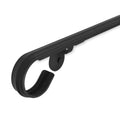
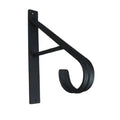
Even though brackets must be positioned to keep the gripping surface clear, there are numerous compliant bracket designs ranging from industrial and utilitarian to refined and architectural. The brackets we use for commercial installations are engineered first for strength, but we source designs that also bring visual appeal.
Integration with Architecture
The best public ramp railings feel like they belong to the building. Matching finish to existing architectural metals, aligning design language with the building's style (contemporary, traditional, industrial), and considering sight lines and proportions makes the ramp feel integrated rather than added-on.
Quality of Execution
This might be the most important factor. Perfect welds, consistent finish, precise alignment, professional installation - these elevate even the most basic compliant design. A simple railing executed beautifully beats an elaborate design installed poorly every time.
Lighting Integration
While not part of the railing itself, thoughtful lighting along the ramp and particularly at transitions makes the space both safer and more attractive. Some modern systems integrate LED lighting into handrail systems for a sophisticated look.

Design Examples for Public Spaces
Modern Commercial: Brushed stainless steel handrails with square posts and minimal brackets. Clean, contemporary, professional. The restraint becomes the aesthetic.
Historic Building: Wrought iron in traditional black, with carefully detailed posts that echo the building's era without attempting to be period-accurate (which would likely mean non-compliant dimensions). Respect for context without pastiche.
Healthcare Facility: Powder-coated aluminum in warm, calming colors—perhaps a sage green or warm gray rather than institutional white. Continuous rail with concealed fasteners for a clean, reassuring look.
Retail Entrance: Custom powder-coated wrought iron matching store branding colors. Posts with laser-cut decorative caps incorporating subtle logo elements. Functional but reinforcing brand identity.
Municipal Building: Heavy-duty galvanized steel with black powder coating. Robust, permanent, requiring minimal maintenance for decades. The strength and longevity become the statement.
Home Ramps: Where Personal Style Meets Function
This is where things get interesting. You're still prioritizing safety and function, but now you can make choices specifically for the user and the aesthetic of your home.
The Still-Important Safety Elements
Even though you're not legally bound by ADA in most residential applications, certain principles shouldn't be ignored because they're based on sound safety and usability:
Handrails on both sides if possible (unless space absolutely prohibits, two rails provide more options and safety)
Height appropriate for primary user (might stick with 34-38 inches, or adjust for a particularly tall or short user)
Graspable diameter (hand needs to wrap around securely—don't go so decorative that it's not functional)
Secure mounting (this is never optional—the rail must support full body weight plus force)
Extensions at transitions (helping the user through the critical transition points where falls are most likely)
Appropriate ramp slope (steeper than 1:12 may be briefly acceptable in residential if length constraints exist, but discuss with user—too steep becomes unusable)
Where Residential Ramps Offer Creative Freedom
Matching Your Home's Architecture
This is huge. Your ramp railing should look like it belongs to your house, not like medical equipment someone dropped off.
Craftsman/Bungalow Home: Wrought iron with arts-and-crafts-inspired details. Consider hand-hammered texture on posts, warm oil-rubbed bronze or copper finish, and proportions that echo the home's sturdy, grounded aesthetic.
Colonial/Traditional: Classic wrought iron in black with turned posts and traditional finials. Or go with white-painted aluminum or steel to match traditional porch railings. Ball or acorn post caps for period-appropriate detail.
Contemporary/Modern: Sleek stainless steel or powder-coated aluminum in matte black, bronze, or even bold colors. Cable rail infill if local code allows. Minimal brackets, clean lines, integrated design.
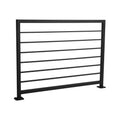
Ranch/Mid-Century: Horizontal emphasis, perhaps with horizontal infill bars rather than traditional vertical. Powder-coated in period colors—turquoise, warm bronze, or black with wood elements.
Victorian: If you've got an ornate Victorian, wrought iron with decorative scrollwork—still maintaining the graspable handrail but incorporating period-appropriate decorative elements on posts and panels below the handrail.
Custom Height for Specific Users
If the primary user is particularly tall or short, you can optimize handrail height for their comfort. Standard 36 inches might not be ideal for a 6'4" user or someone who's 5'0" tall. You can customize.
One Side vs. Two
If space is extremely limited or budget is a concern, and you know the primary user's dominant hand, you might choose to install a railing only on one side. Not ideal, but sometimes necessary in residential retrofits.
Decorative Elements Below the Handrail
Since the handrail itself must remain graspable and continuous, decorative elements go below it. Scrollwork panels, geometric patterns, custom designs - these can be as elaborate as you want while maintaining the functional handrail on top.
Material Mixing
Combine materials for visual interest: wrought iron posts with wood handrail tops (ensure the wood meets graspable diameter requirements), metal structure with wood or composite infill panels, or mixed metal finishes.
Color and Finish
Powder coating opens up essentially unlimited color options. Match your front door, coordinate with your home's exterior trim, go bold with a statement color, or choose a finish that will patina naturally over time for a living finish.
Integrated Planters or Details
Some residential ramps incorporate planters at landings (don't obstruct the required clear space), or integrate design elements that make the ramp feel like an intentional landscape feature rather than an afterthought.
Lighting Integration
Add low-voltage LED lighting under handrails, along posts, or at ramp edges. This improves safety dramatically while creating ambiance. Warm LED can make the ramp inviting rather than institutional.

Design Examples for Residential Ramps
Front Porch Ramp on a Craftsman Bungalow: Wrought iron with square posts featuring hammered texture and pyramid caps. Handrail in oil-rubbed bronze finish. Below the handrail, panels with simple geometric arts-and-crafts patterns. The ramp becomes an extension of the porch's craftsman details.
Contemporary Home Entry: Matte black powder-coated steel with cable infill below the handrail. Minimalist square posts with flat caps. LED strip lighting integrated under the handrail. The result is sleek, modern, and looks intentionally designed as part of the home.
Colonial Home Back Deck Ramp: White powder-coated aluminum matching the home's trim. Traditional turned posts with ball caps. The railing matches existing deck railings so completely that the ramp doesn't read as separate—it's just part of the deck system.
Ranch Home Side Entry: Horizontal emphasis with two horizontal bars below the main handrail. Warm bronze powder coating. Simple square posts. The horizontality echoes the ranch's long, low lines.
Victorian Home Front Walkway: Black wrought iron with subtle scrollwork on panels below the handrail. Decorative post caps with finials. The ornamental details match the home's existing porch railings, making the ramp feel period-appropriate.
Rustic Mountain Home: Mixed materials - wrought iron structure with wood handrail (thick enough to remain graspable, finished for weather). Natural finish metal that will patina, complementing the rustic aesthetic.
The Design Process: From Concept to Installation
Whether you're working on a public or residential ramp, here's how to approach the design to ensure you end up with something both compliant and beautiful.
1. Understand Your Requirements
Public space? You're working within strict ADA guidelines—read them carefully or work with professionals who know them. Residential? Determine which guidelines you'll follow for safety while identifying where you have flexibility.
2. Assess the Site
Look at approach angles, existing architecture, sight lines, how the ramp will be experienced from different viewpoints. A ramp that looks good from the street but creates an awkward experience at the door isn't well-designed.
3. Consider the User(s)
For residential, think specifically about primary users. Height, dominant hand, whether they use mobility aids, grip strength—all these factors can inform design decisions where you have flexibility.
4. Develop an Aesthetic Vision
What should this ramp look like? Should it blend seamlessly with existing architecture, make a bold statement, or split the difference? Collect reference images of ramps and railings you find attractive.
5. Material Selection
Choose materials appropriate for location (weather exposure), architectural style, budget, and maintenance willingness. Remember that material quality matters enormously—cheap materials look cheap regardless of design.
6. Detail Development
Work out specifics: post spacing, bracket style, finish selection, how extensions will be handled, where seams will occur, how the railing terminates at top and bottom.
7. Professional Review
For public spaces, this is mandatory—you need professional certification that the design meets code. For residential, it's still smart to have an experienced fabricator or contractor review your design for safety and feasibility.
8. Installation Planning
Even the best design fails with poor installation. Plan for proper mounting into solid substrates, ensure you're hitting studs or using appropriate concrete anchors, verify that slopes and clearances will be maintained as built.
Common Mistakes to Avoid
We've seen a lot of ramp railings over the years. Here are the mistakes that consistently compromise either safety or aesthetics:
-
Prioritizing looks over function: A beautiful railing that's not actually graspable or secure is worse than an ugly one that works.
-
Ignoring extensions: Those 12-inch horizontal extensions beyond the ramp feel like they're just taking up space, but they're crucial for transitions. Don't skip them.
-
Inadequate mounting: This is the most dangerous mistake. Handrails must be bomber-proof. If they pull out when someone falls and catches themselves, they've done worse than nothing.
-
Wrong diameter: Too thin or too thick, and the rail becomes difficult to grip securely. Stick within the proven ranges.
-
Interrupting the gripping surface: Decorative brackets or design elements that cross over the top of the handrail make it non-functional. Keep the top and sides clear.
-
Cheap materials in exposed locations: That bargain-priced railing will look terrible in two years if it's not designed for weather exposure. Invest appropriately.
-
Ignoring maintenance: Even the best materials need maintenance. Wrought iron needs finish touch-ups, wood needs sealing, fasteners need periodic checking. Plan for this.
-
One-size-fits-all mentality: Especially in residential applications, customizing for the actual user makes a huge difference in both function and aesthetics.
Moving Forward: Making Your Ramp Beautiful
The bottom line is this: ramps don't have to be ugly. Whether you're bound by strict ADA requirements in a public space or have creative freedom in your home, thoughtful design, quality materials, and skilled execution create railings that are both safe and attractive.
We've installed ramp railings that homeowners are genuinely proud of—that enhance their home's appearance while providing crucial accessibility. We've created public ramp systems that architects feature in their portfolios because they're examples of good design working within regulatory constraints.
The key is approaching the project with the mindset that compliance and beauty are partners, not opponents. The regulations give you the framework; your creativity and craftsmanship fill in the details.
If you're facing a ramp installation and dreading the aesthetic impact, don't. Work with designers and fabricators who understand both the technical requirements and the design possibilities. Look at examples of well-executed ramp railings in similar architectural contexts. Invest in quality materials and professional installation.
Your ramp can be an enhancement to your property, not a compromise. It can be something you're proud to show visitors rather than something you apologize for. It just takes the right approach - understanding where the rules are firm, recognizing where you have freedom, and executing everything with care and craftsmanship.
And that's exactly what we do. Whether you're dealing with the strict requirements of a public installation or the creative opportunities of a residential project, we can help you design and build ramp railings that meet every safety requirement while genuinely looking good. Because accessibility shouldn't mean sacrificing aesthetics - it just means designing thoughtfully within the constraints that keep everyone safe.


