

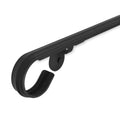
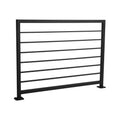
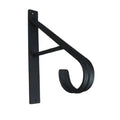

Installing a railing on concrete steps might seem intimidating if you've never drilled into concrete before, but with the right approach and proper tools, it's a manageable project. At Steel Impressions, we've worked with wrought iron and steel railings for three generations, and we know that proper installation is just as important as quality craftsmanship. While we focus on creating beautiful handrails and railings, we want to make sure you understand how to install them correctly, whether you're doing it yourself or working with a professional.
This guide will walk you through the entire process, from choosing the right installation method to avoiding common mistakes that can compromise both safety and appearance. We'll cover what you need, how it's done, and what absolutely not to do.
Two Main Installation Methods
Before we get into the step-by-step process, you need to understand that there are two primary methods for installing railings on concrete:
-
surface mounting with anchors (the recommended method)
-
embedding in concrete (generally not recommended). Let's break down both.
|
Factor |
Surface Mounting with Anchors |
Embedding in Concrete |
|
Installation Method |
Drill holes, insert mechanical anchors, bolt flange to surface |
Drill large holes, set posts directly in concrete with cement |
|
Moisture Protection |
Metal separated from concrete, no direct moisture transfer |
Metal embedded in porous concrete, constant moisture contact |
|
Rust Risk |
Low (with proper sealing and stainless hardware) |
High (moisture causes rust from inside out) |
|
Future Repairs |
Easy to access, inspect, and replace components |
Requires breaking out concrete to repair or replace |
|
Installation Time |
2-3 hours active work |
3-4 hours active work + 24-48 hour cure time |
|
Difficulty Level |
Moderate (DIY-friendly with right tools) |
Moderate to difficult |
|
Cost |
Lower (just anchors and hardware) |
Higher (anchoring cement, larger drill bits) |
|
Visibility of Damage |
Rust visible early, easy to catch |
Rust hidden until advanced, damage severe when discovered |
|
Code Compliance |
Meets most building codes when done properly |
May meet code but creates long-term problems |
|
Recommended Use |
Almost all existing concrete installations |
Only new pours with extensive waterproofing (still not ideal) |
Method 1: Surface with Anchors (Recommended)
This is the proper way to install railings on concrete. The railing posts attach to the concrete surface using base flanges and mechanical anchors (wedge anchors, sleeve anchors, or expansion anchors). The anchors are inserted into pre-drilled holes and expand to create a secure connection.
Why this is better: Surface mounting keeps metal separated from concrete, preventing moisture transfer that causes rust. It's also easier to repair or replace if needed. You can access the fasteners, inspect for corrosion, and make changes without breaking apart concrete.
When to use this: This should be your default method for almost all railing installations on existing concrete steps.
Method 2: Embedding in Concrete (Not Recommended)
This involves drilling larger holes (2 to 4 inches deep) and setting the railing posts directly into the concrete with anchoring cement or epoxy. The posts are literally embedded in the concrete itself.
Why we don't recommend this: Concrete is porous and absorbs moisture. When metal is embedded directly in concrete, that moisture transfers to the metal and causes rust from the inside out. By the time you see corrosion damage, it's already advanced. The only fix is cutting or drilling out the concrete, which is expensive and destructive.
When you might consider it: The only scenario where embedding makes sense is if you're pouring new concrete steps and can plan the installation from the beginning with proper waterproofing measures. Even then, surface mounting is usually the better choice.
For the rest of this guide, we'll focus on the recommended surface mounting method.

What You'll Need: Tools and Materials
Let's start with what you need to have ready before you begin. Nothing's worse than getting halfway through drilling and realizing you're missing a critical tool.
Essential Tools
Hammer drill with masonry bits: This is non-negotiable. A regular drill can technically drill into concrete, but it's painfully slow and risks burning out the motor. Hammer drills have a percussive action specifically designed for masonry. You'll need masonry bits sized to match your anchor diameter (typically 3/8 inch or 1/2 inch).
Level: A good level (at least 24 inches long) ensures your posts are truly vertical. A leaning railing looks terrible and can fail code inspection.
Tape measure: For measuring post spacing, distance from edges, and ensuring everything is positioned correctly.
Marker or grease pencil: For marking drill hole locations on the concrete.
Hammer: For tapping anchors into place.
Wrenches or socket set: For tightening anchor bolts and securing the railing components.
Shop vacuum or leaf blower: For cleaning dust and debris from drilled holes. This step is critical for anchor strength.
Hacksaw: For trimming excess anchor bolt length after installation.
Safety equipment: Safety glasses (concrete dust is no joke), work gloves, hearing protection (hammer drills are loud), and dust mask.
Materials You'll Need
The railing itself: Whether you're ordering a custom railing or using a pre-made kit, make sure it fits your measurements before you start drilling.
Base flanges: These are the plates that attach to the concrete. Most railings come with flanges already welded to the posts.
Anchors: Wedge anchors, sleeve anchors, or expansion anchors designed for concrete. Typical sizes are 3/8 inch diameter by 3 inches long. Always use stainless steel anchors to prevent rust.
Washers and nuts: Usually included with anchors, but verify you have them.
Cap nuts (optional): These cover the exposed bolt ends for a finished look.
Exterior caulk: Silicone or polyurethane caulk rated for exterior use to seal around the base flanges and prevent water intrusion.
Where to Find These Tools
Hammer drills: Available at any home improvement store (Home Depot, Lowe's, Menards) or tool rental centers. If you're only doing one railing, renting makes more sense than buying.
Anchors and hardware: Home improvement stores carry various concrete anchors. Make sure you're buying anchors rated for your railing's weight and the concrete's thickness.
Railings: Quality wrought iron railings like those from Steel Impressions can be ordered custom-made to fit your specific measurements. We recommend professional measurement if your steps are curved, have jogs, or are unusually shaped.
Step-by-Step Installation Process
Now let's walk through the actual installation. We'll assume you're working with a railing that has base flanges already attached to the posts.
Step 1: Inspect and Prepare the Concrete
Before you do anything else, examine your concrete steps carefully.
Look for cracks, chips, or damage: Installing a railing on damaged concrete is asking for trouble. Drilling into compromised concrete can worsen existing cracks. If your steps have significant damage, repair the concrete first or call a concrete professional.
Check for previous installations: If you're replacing an old railing, examine the old mounting holes. Can you reuse them? Are they in good condition? Often it's better to fill old holes and drill new ones in fresh concrete.
Clean the surface: Sweep away dirt, debris, leaves, and anything else on the surface where you'll be installing. You need clean concrete for proper contact between the flange and the surface.
Step 2: Measure and Plan Your Installation
Determine post placement: Your railing needs to be positioned correctly for both safety and aesthetics. Building codes typically require railings to be 34 to 38 inches high measured from the stair nosing (the front edge of the step). Check your local code requirements.
Measure from edges: Don't place posts too close to the edge of the concrete. As a general rule, keep anchor holes at least 3 to 4 inches from any edge to prevent concrete from cracking when you drill.
Plan for symmetry: If you're installing railings on both sides of steps, make separate sketches and measurements for each side. They should mirror each other for visual balance.
Step 3: Test Fit the Railing (Critical Step!)
Do not skip this step. Position the railing exactly where it will be installed without drilling anything yet.
Check the fit: Does it line up properly with your steps? Is it the right length? Does it match the angle of the stairs?
Verify clearance: Make sure there's adequate space around the railing. You need proper clearance for hands to grip the handrail comfortably.
Get help: You'll need another person to hold the railing in position while you mark drill locations. Railings are awkward and heavy.
Mark your holes: With someone holding the railing in position and level, use a marker or grease pencil to mark through the mounting holes in the base flanges onto the concrete. These marks show exactly where to drill.
Step 4: Drill the Anchor Holes
This is where your hammer drill earns its keep.
Select the right bit: Use a masonry bit that matches your anchor diameter. For 3/8-inch anchors, use a 3/8-inch bit. The hole should not be larger than the anchor shaft.
Mark your depth: Put a piece of tape on the drill bit to mark the depth. You want to drill about 1/2 inch deeper than the length of your anchor. For a 3-inch anchor, drill 3.5 inches deep. The extra depth gives concrete dust somewhere to settle below the anchor.
Start the hole: Position the bit on your marked spot. Start the drill slowly to create a guide divot, then increase to full speed. The hammer action does the work, you just apply steady, even pressure.
Keep the drill level: Try to drill straight down perpendicular to the concrete surface. Angled holes weaken the anchor's holding power.
Drill all holes: Complete all the holes for one post before moving to the next. This keeps you organized and prevents confusion.
Clean the holes thoroughly: This step is absolutely critical. Use a shop vacuum or leaf blower to remove all concrete dust from the holes. Debris at the bottom prevents anchors from seating properly and reduces holding strength. Some installers blow out holes, then vacuum them, then blow them out again to be sure.
Step 5: Install the Anchors
There are slight variations depending on which type of anchor you're using, but the general process is similar.
For Wedge Anchors:
-
Insert the anchor into the drilled hole. It should fit snugly. If it's loose, your hole might be too large.
-
Tap the anchor with a hammer until the washer and nut are flush with the concrete surface.
-
The anchor should sit in the hole with just the threaded portion sticking out.
For Sleeve Anchors or Expansion Anchors:
-
Insert the anchor into the hole. Again, it should be a snug fit.
-
Tap the anchor down with a hammer until it's flush.
-
Place the base flange over the anchor so the threaded portion comes through the flange hole.
-
Hand-tighten the nut onto the anchor.
-
Use a wrench to tighten the nut. As you tighten, the anchor expands inside the concrete, creating the secure connection.
Important: Don't overtighten. When you feel significant resistance, stop. Over-tightening can shear the anchor or crack the concrete around it.
Step 6: Attach the Railing
With all anchors installed, it's time to mount the railing.
Position the railing: Place the railing so the base flanges align with the anchors. The threaded portions should come through the flange holes.
Install washers and nuts: Place a washer on each anchor, then thread the nut on by hand.
Tighten gradually: Don't fully tighten one nut before moving to the next. Instead, tighten them gradually in a cross pattern (like lug nuts on a car wheel). This ensures even pressure and keeps the flange flat against the concrete.
Check for level: Use your level to verify the posts are truly vertical (plumb). Check both directions (front-to-back and side-to-side).
Adjust if needed: If a post leans, loosen the nuts and slide thin washers under the low side. Retighten and check again with the level.
Final tightening: Once everything is level and properly positioned, give all nuts a final tightening with a wrench. Secure, but not excessive.
Step 7: Finish the Installation
Trim excess bolt: If your anchor bolts stick up above the nuts, trim them with a hacksaw so they're flush. This looks cleaner and eliminates a snagging hazard.
Install cap nuts: If you have decorative cap nuts (nuts that cover the bolt ends), thread them on after trimming the bolts. These give a finished, professional appearance.
Seal the base: Apply a bead of exterior-grade caulk around the entire perimeter of each base flange where it meets the concrete. This prevents water from seeping under the flange and into the anchor holes.
Smooth the caulk: Use a wet finger or caulking tool to smooth the caulk bead. This should create a slight angle that directs water away from the flange.
Clean up: Wipe away any excess caulk, concrete dust, or debris from the railing and steps.
Step 8: Cure Time and Final Check
Allow caulk to cure: Don't use the railing until the caulk has cured completely. Check the manufacturer's instructions, but typically this is 24 hours.
Test the installation: After curing, test the railing by applying firm pressure (not your full weight, but substantial force). It should feel rock-solid with no movement, flexing, or shifting.
Inspect regularly: Check your railing periodically (every few months) for any signs of loosening, rust, or damage. Catching issues early prevents bigger problems.
|
Step |
Task |
Key Tools |
Time Estimate |
Critical Points |
|
1 |
Inspect and prepare concrete |
Visual inspection, broom |
10-15 min |
Look for cracks, clean surface thoroughly |
|
2 |
Measure and plan placement |
Tape measure, marker |
15-20 min |
Keep 3-4" from edges, check local codes |
|
3 |
Test fit the railing |
Level, helper |
10-15 min |
NEVER skip this step, mark holes with railing in position |
|
4 |
Drill anchor holes |
Hammer drill, masonry bit |
20-30 min |
Drill 1/2" deeper than anchor length, keep level |
|
5 |
Install anchors |
Hammer, wrench |
15-20 min |
Clean holes first, don't overtighten |
|
6 |
Attach the railing |
Wrenches, level |
20-30 min |
Tighten in cross pattern, check for plumb |
|
7 |
Finish installation |
Hacksaw, caulk gun |
15-20 min |
Trim bolts, seal around flanges |
|
8 |
Cure and final check |
None |
24 hours |
Allow caulk to cure, test for stability |
Common Mistakes to Avoid
From our three generations working with metal railings, we've seen plenty of installations gone wrong. Here are the mistakes you absolutely must avoid.
Drilling Too Close to Edges
The mistake: Placing anchor holes within 2 inches of a concrete edge.
Why it's bad: Concrete is strong under compression but weak under tension. Drilling near an edge creates stress that can cause the concrete to crack or chunk out when you tighten the anchor.
The fix: Keep all anchor holes at least 3 to 4 inches from any edge. If your step is narrow and this isn't possible, you may need smaller flanges or a different mounting approach.
Using the Wrong Drill or Drill Bit
The mistake: Trying to drill concrete with a regular drill and standard drill bits.
Why it's bad: Regular drills lack the hammer action needed to break through concrete efficiently. Standard bits will dull immediately on masonry. You'll burn out the drill motor and still not have proper holes.
The fix: Use a hammer drill with masonry bits designed for concrete. If you don't own a hammer drill, rent one. It's worth it.
Not Cleaning Debris from Holes
The mistake: Drilling the holes and immediately inserting anchors without cleaning out the concrete dust.
Why it's bad: Debris at the bottom of the hole prevents the anchor from reaching full depth. The anchor can't expand properly, reducing holding strength by 50% or more. Your railing might seem secure initially but will loosen over time.
The fix: Thoroughly vacuum and blow out every hole. We can't stress this enough. Clean, then clean again.
Drilling Holes That Are Too Large
The mistake: Using a drill bit that's larger than the anchor diameter, thinking it will make installation easier.
Why it's bad: Anchors need a snug fit to work properly. If the hole is too large, the anchor can't expand against the concrete walls with enough force. The result is a loose, wobbly railing.
The fix: Match your drill bit exactly to the anchor shaft diameter. If anything, err on the side of slightly too small rather than too large.
Installing on Damaged Concrete
The mistake: Drilling into concrete that has existing cracks, chips, or deterioration.
Why it's bad: Compromised concrete can't provide adequate support for the anchors. Drilling can worsen existing damage. The railing might seem secure but could fail when actually needed.
The fix: Repair damaged concrete before installing railings. Fill cracks, patch chips, and ensure the concrete is structurally sound. If the damage is extensive, consult a concrete professional before proceeding.
Skipping the Test Fit
The mistake: Ordering a railing, drilling holes based on measurements alone, then discovering the railing doesn't fit.
Why it's bad: Once you've drilled holes in concrete, you're committed to that location. If the railing doesn't fit, you'll need to fill the holes and start over.
The fix: Always test-fit the railing before drilling. Mark your holes with the actual railing in position, not based on measurements alone.
Not Waterproofing the Installation
The mistake: Mounting the railing without sealing around the base flanges.
Why it's bad: Water will seep under the flanges and into the anchor holes. In winter, this water freezes and expands, cracking the concrete. Year-round, moisture promotes rust on the anchors and railing.
The fix: Always apply exterior-grade caulk around the base flanges. Create a seal that prevents water intrusion while allowing the installation to be serviced if needed.
Over-Tightening Anchors
The mistake: Cranking down on anchor nuts with maximum force, thinking tighter is always better.
Why it's bad: Over-tightening can shear the anchor bolt, crack the concrete around the hole, or strip the threads. Any of these failures compromises the installation.
The fix: Tighten anchors firmly but not excessively. When you feel strong resistance, you're there. If you're using a wrench, stop when you need significant effort to turn it further.
Installing in Winter
The mistake: Installing railings when temperatures are at or below freezing.
Why it's bad: Moisture in or around the freshly drilled holes can freeze before you've sealed everything properly. The freeze-thaw cycle can crack concrete before the installation is even complete.
The fix: Install railings during warm weather when temperatures will stay above freezing for several days. Spring through early fall is ideal in most climates.
Embedding Metal Directly in Concrete
The mistake: Drilling large holes and setting posts directly into concrete with epoxy or anchoring cement.
Why it's bad: We covered this earlier, but it bears repeating. Moisture transfer from concrete to embedded metal causes rust from the inside out. By the time you see the damage, the rust is advanced and repair requires breaking out concrete.
The fix: Use surface-mounted flanges with mechanical anchors. Keep metal separated from concrete.
Not Checking for Level and Plumb
The mistake: Tightening everything down without verifying the posts are truly vertical.
Why it's bad: A leaning railing looks terrible, can fail inspection, and may not meet code requirements. It also creates uneven stress on the anchors, which can lead to premature failure.
The fix: Use a level to check posts in both directions before final tightening. Adjust with washers if needed. Don't rush this step.
When to Call a Professional
While installing a railing on concrete steps is a DIY-friendly project for someone with basic tool skills, there are situations where professional help makes sense.
Call a pro if:
Your steps are damaged or deteriorating: Concrete repair requires expertise. Don't try to install a railing on compromised concrete.
You have curved or complex steps: Unusual shapes, curves, or multi-level installations require custom fabrication and professional measurement.
You're uncomfortable with power tools: If you've never used a hammer drill or aren't confident drilling into concrete, hiring an installer ensures the job is done safely and correctly.
Local codes are complex: Some jurisdictions have specific requirements for railing installation. A professional installer will know the local codes and ensure compliance.
You lack the necessary tools: If you need to buy or rent multiple specialized tools for a single installation, the cost might approach what you'd pay for professional installation anyway.
The concrete is extremely hard: Some concrete (particularly older, well-cured concrete or concrete with very hard aggregate) is extremely difficult to drill. Professionals have experience with tough drilling situations.
Maintenance After Installation
Once your railing is properly installed, a little maintenance goes a long way.
Inspect regularly: Every few months, check the anchor nuts to ensure they're still tight. Look for any rust, corrosion, or damage to the railing or base flanges.
Tighten as needed: If you notice any looseness, tighten the anchor nuts. A small amount of settling is normal in the first few months.
Check the caulk seal: Inspect the caulk around base flanges for cracks or gaps. Reapply caulk as needed to maintain the waterproof seal.
Clean the railing: Regular cleaning prevents corrosion. Use mild soap and water for general cleaning. For wrought iron, check the finish for any chips or scratches and touch up as needed.
Address rust immediately: If you spot any rust forming, address it right away. Wire brush the affected area, apply rust converter if needed, and touch up with matching paint or finish.
Conclusion
Installing a railing on concrete steps is absolutely doable with the right approach, proper tools, and attention to detail. The key is understanding that concrete requires specific techniques and tools that differ from woodworking or other construction tasks.
Surface mounting with mechanical anchors is the correct method for almost all installations. It prevents moisture-related rust, allows for future maintenance or replacement, and provides excellent holding strength when done properly. Skipping steps or rushing the process leads to problems down the road: loose railings, cracked concrete, or premature corrosion.
If you're looking for wrought iron or steel railings for your concrete steps, we invite you to visit our website at SI Handrails to explore our collection. We create railings built to last generations when properly installed and maintained.
Remember: a railing is a safety feature first and foremost. Take your time, do it right, and don't compromise on quality materials or proper technique. Your family's safety is worth the extra effort.


