


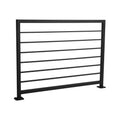


Weather is wrought iron's biggest enemy. I've seen it time and time again in my years working with this material - what starts as a beautiful, sturdy fence can quickly turn into a rust-stained eyesore if you don't take the right precautions. Weather damage can range from small surface rust spots to significant structural problems that compromise the entire fence's integrity.
The good news? Most weather damage is completely preventable with the right approach. This article will give you all the tips and tricks I've learned over the years to not only prevent weather damage but also salvage some of the bigger problems before they become costly replacements.
Understanding the Main Weather Threats
Before we dive into solutions, let's talk about what we're up against. Rain and moisture are the obvious culprits, but humidity, snow, ice, and even UV rays can cause serious damage to wrought iron. Each of these elements attacks your fence differently, which is why you need a comprehensive protection strategy.
Essential Protection Strategies
1. Regular Cleaning and Inspection
This is your first line of defense, and honestly, it's the most important thing you can do. I recommend inspecting your fence every three months, looking for any signs of rust, loose joints, or damaged protective coatings.
Clean your fence with mild soap and water, paying special attention to joints and decorative elements where moisture tends to collect. A soft brush works wonders for getting into those intricate details without scratching the surface.
2. Protective Coatings and Paint
A quality protective coating is like armor for your wrought iron. I always recommend starting with a rust-inhibiting primer, followed by a high-quality paint designed for metal surfaces. The key is to apply thin, even coats and make sure you get into every nook and cranny.
For areas that see heavy weather exposure, consider using a specialized marine-grade paint. It costs more upfront, but it'll save you money in the long run by lasting longer and providing better protection.
3. Proper Drainage Management
Water pooling around your fence posts is a recipe for disaster. Make sure the ground around your fence slopes away from the posts, and consider installing drainage if you have areas where water tends to collect. Even small improvements in drainage can make a huge difference in preventing rust at the base of your fence.
4. Seasonal Maintenance Schedule
Different seasons require different approaches. In spring, do a thorough inspection and touch up any paint damage from winter. Summer is perfect for major repainting projects. Fall is when you should clear away leaves and debris that can trap moisture. Winter requires checking for ice damage and ensuring snow isn't piling up against the fence.
Addressing Common Weather Damage
Surface Rust Treatment
Caught early, surface rust is easy to handle. Use a wire brush or sandpaper to remove the rust, clean the area thoroughly, apply primer, and touch up with matching paint. The key is catching it early - once rust gets a foothold, it spreads quickly.
Dealing with Peeling Paint
Peeling paint isn't just ugly - it's an open invitation for rust. Scrape off all loose paint, sand the area smooth, clean thoroughly, prime, and repaint. Don't try to paint over peeling areas - it won't hold and you'll just be doing the job again sooner.
Fixing Loose Joints
Weather can cause joints to loosen over time. Check all bolted connections and tighten as needed. If you find cracked welds, that's a job for a professional - don't try to tackle major structural repairs yourself.
Read also: Does Wrought Iron Rust? What You Need to Know
Preventive Maintenance Tips
The best defense is a good offense. Apply a thin coat of car wax to painted surfaces twice a year - it creates an extra barrier against moisture. Keep vegetation trimmed back from your fence to improve air circulation. And never ignore small problems - they always become big problems if left alone.
When to Call a Professional
Everything we’ve covered so far is totally doable if you follow the steps and tips in this article — most maintenance jobs just need a bit of time and the right approach. But sometimes, you’ve got to admit defeat and call in the big guns. If you're dealing with deep rust, structural damage, or a full repaint that's more than a weekend project, it’s time to bring in the pros. They’ve got the tools, experience, and know-how to get it done right the first time.
Conclusion
Protecting your wrought iron fence from weather damage doesn't have to be complicated, but it does require consistency. Regular maintenance, proper protective coatings, and addressing problems early will keep your fence looking great for decades. Remember, a little effort now saves a lot of money and headaches later.
Frequently Asked Questions
Q: How often should I repaint my wrought iron fence?
A: The frequency depends on your climate and the quality of the original paint job, but generally every 3-5 years for most environments. In harsh coastal areas, you might need to repaint every 2-3 years.
Q: Can I use regular house paint on my wrought iron fence?
A: While you can use regular exterior paint, it's not ideal. Metal-specific paints are formulated to adhere better to iron surfaces and provide better protection against rust and weathering.
Q: Is it worth investing in galvanized wrought iron fencing?
A: Galvanized coating provides excellent rust protection and can significantly extend the life of your fence. It's more expensive upfront but can save money on maintenance over time.
Q: What's the best way to remove rust stains from concrete caused by my fence?
A: Rust stains on concrete can be treated with oxalic acid (wood bleach) or commercial rust removers. Always test in an inconspicuous area first and follow all safety precautions.
Q: Should I remove my wrought iron fence during major storms?
A: Unless your fence is decorative and easily removable, it's usually better to leave it in place. Wrought iron fences are designed to withstand normal weather conditions, and removing them can cause more damage than the storm itself.


