


Small spaces demand smart solutions. When you're working with a compact staircase or a tiny home where every inch matters, your railing choice affects not just safety but how spacious and livable the entire space feels. The wrong railing can make a small staircase feel cramped and claustrophobic. The right one practically disappears while still doing its job.
We've worked on plenty of tight installations where space is at a premium—loft stairs, tiny home staircases, narrow basement access, compact ADUs. Here are the five railing approaches that consistently work best when space is limited.
1. Wall-Mounted Handrails Only (No Balusters)
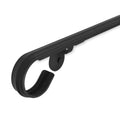
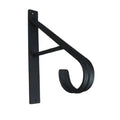
What it is: A single handrail mounted directly to the wall with brackets, with no vertical balusters or posts taking up floor or tread space.
Why it works for small spaces:
-
Takes up zero floor space—the railing doesn't extend into the room at all
-
Maintains complete visual openness on the staircase
-
Makes narrow stairs feel less confined since there's no visual barrier
-
Leaves maximum usable tread width for your feet
Best applications:
-
Stairs enclosed by walls on both sides
-
Loft ladders or ship's stairs where tread space is already minimal
-
Staircases 36 inches wide or less
-
Situations where the stairs don't have significant drop-offs on open sides
Materials and finishes: Wrought iron or steel in simple round or rectangular profiles work beautifully. Powder coat in matte black for modern tiny homes, or oil-rubbed bronze for warmer aesthetics. Wood handrails create a warmer, more traditional feel if that suits your space better.
Installation considerations: Mount brackets into studs every 4 feet maximum. The handrail should be 34-38 inches above the stair nosings. Extend at least 12 inches beyond the top and bottom of the stairs for safety.
Design tip: Keep the profile simple and the finish consistent with other metals in your space. In tiny homes, repeating the same finish (like matte black) across fixtures, handrails, and hardware creates visual cohesion that makes the space feel more intentional and less cluttered.
Read also: Step-by-Step Guide: How to Attach a Handrail to a Wall
2. Cable Railing Systems
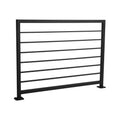
What it is: Thin stainless steel cables (typically 1/8" to 3/16" diameter) running horizontally between posts, with a top handrail.
Why it works for small spaces:
-
Nearly transparent—you can see through the railing, making the space feel more open
-
Minimal visual weight compared to traditional balusters
-
The horizontal lines can make narrow staircases feel wider
-
Takes up very little physical space (posts are typically just 2-3 inches square)
Best applications:
-
Open staircases where you need a safety barrier but want to preserve sight lines
-
Modern or contemporary tiny homes where the aesthetic fits
-
Loft stairs where you want light to flow from upper to lower levels
-
Small spaces where making the area feel larger matters more than privacy
Materials and finishes: Stainless steel cable with powder-coated steel or aluminum posts. For tiny homes, slender square posts in matte black or brushed stainless work well. The top handrail can be wood (for warmth) or metal (for consistency).
Installation considerations: Cables must be properly tensioned - loose cables sag and look unprofessional while also being unsafe. Posts need to be extremely secure since cables create significant tension forces. Spacing between cables should be 3 inches maximum to meet code and prevent children from slipping through.
Design tip: Cable railings work best in modern aesthetics. If your tiny home leans traditional or rustic, they may feel stylistically wrong. Also consider maintenance—cables collect dust and require occasional wiping down.
3. Minimal Iron Balusters with Slim Posts
What it is: Simple, slender wrought iron or steel balusters—typically round bars or square bars with no decorative elements—between minimal posts.
Why it works for small spaces:
-
The vertical lines draw the eye upward, making low ceilings feel taller
-
Slim profiles (1/2" to 3/4" round or square) take up minimal visual and physical space
-
Provides solid safety barrier without the bulk of wood balusters
-
Much less visually heavy than traditional turned wood balusters
Best applications:
-
Any small staircase where you need code-compliant infill
-
Spaces where cable railing feels too modern or industrial
-
Staircases with open sides that need guardrails
-
Traditional or transitional tiny homes where simple iron fits the aesthetic
Materials and finishes: Simple round or square iron bars, powder-coated in colors that either blend with walls (for minimal impact) or create intentional contrast (matte black against white for definition). Posts should be as slim as structurally possible—2" square posts are often sufficient for residential applications.
Installation considerations: Baluster spacing must be 4 inches maximum between bars to meet code. Mount posts securely at treads or at the floor/landing level. Consider a wooden handrail on top of iron posts and balusters for a warmer feel that's still space-efficient.
Design tip: Stick with simple geometry—no twists, scrolls, or decorative elements. In small spaces, ornamentation reads as clutter. Simple vertical bars almost disappear visually while still providing safety.
4. Glass Panel Systems
What it is: Tempered glass panels held between posts or in channels, creating a transparent safety barrier.
Why it works for small spaces:
-
Completely transparent—doesn't block light or views at all
-
Makes small spaces feel dramatically more open
-
Allows natural light to flow from upper levels down
-
Creates a modern, upscale appearance that tiny homes sometimes lack

Best applications:
-
Loft stairs in tiny homes where preserving light is critical
-
Open staircases where you want complete visual connection between levels
-
Modern tiny homes where the aesthetic fits the overall design
-
Small spaces where every bit of perceived openness matters
Materials and finishes: Tempered or laminated safety glass in clear (most common) or frosted (if you want some privacy). Posts can be minimal stainless steel, slim powder-coated steel, or even wood. The key is keeping the framing as minimal as possible so the glass does the work.
Installation considerations: Glass panels are heavy and require secure mounting. Professional installation is essential. Glass shows fingerprints and smudges constantly, so be realistic about maintenance—if you have kids or pets, you'll be cleaning frequently.
Design tip: Glass railings are expensive, so if budget is tight in your tiny home build, consider using glass only where it matters most (like the main living area view) and simpler solutions elsewhere.
5. Rope or Nautical-Style Railings
What it is: Natural or synthetic rope strung horizontally between posts, often with a wood or metal top rail, creating a casual, cottage-like railing.
Why it works for small spaces:
-
Very minimal visual weight—rope is thin and doesn't block views significantly
-
Creates a relaxed, informal aesthetic perfect for beach cottages or rustic tiny homes
-
Inexpensive compared to metal fabrication or glass
-
Easy to DIY if you're on a tight budget
Best applications:
-
Cottage-style tiny homes or small cabins
-
Beach house loft stairs
-
Rustic or farmhouse aesthetic spaces
-
Budget-conscious builds where you want character without high cost
-
Secondary or less formal staircases (like deck stairs to a sleeping loft)
Materials and finishes: Manila rope (natural fiber, warm appearance) or synthetic rope (more weather-resistant, won't rot). Wood posts in simple profiles work best—painted white for coastal cottage feel, or natural wood stain for rustic. The top rail should be smooth wood for comfortable gripping.
Installation considerations: Rope must be tensioned properly to prevent sagging. Use proper marine-grade hardware for terminating and tensioning ropes. Spacing between rope runs should be close enough to prevent falls (3-4 inches maximum). Natural rope requires more maintenance and eventual replacement; synthetic rope lasts longer.
Design tip: This only works in casual, relaxed aesthetics - it will look wrong in modern, traditional, or formal spaces. But in the right tiny home with coastal, farmhouse, or cabin styling, rope railings add charm while staying out of the way.
Read also: Staircase Trends: What’s Popular in the Handrail World?
Practical Considerations for All Small-Space Railings
Handrail Height: Stick to standard 34-38 inches even in small spaces. Going lower to save space compromises safety and won't meet code.
Baluster Spacing: The 4-inch maximum sphere rule applies regardless of space size. Don't try to "open up" the staircase by spacing balusters wider—it's unsafe and illegal.
Post Placement: Posts should be as slim as possible while still being structurally sound. Over-sizing posts to "make a statement" eats precious space in compact staircases.
Color Strategy: In small spaces, railings that blend with walls feel less intrusive. Dark railings against light walls create definition but take up more visual space. Choose based on whether you want the railing to disappear or define the staircase as an architectural feature.
Multi-Function Thinking: Can your railing do double duty? Some tiny home builders integrate storage into stair railings or use the top rail as a narrow shelf. Get creative with the space you're using anyway.
Making Your Choice
Your best railing solution depends on three factors: the specific layout of your staircase (enclosed or open sides), your aesthetic preferences (modern vs. traditional), and your budget.
For most tiny home and small staircase applications, we lean toward either wall-mounted handrails (if walls allow) or minimal cable or iron balusters (if you need infill). These solutions provide safety without overwhelming the space, and they work across various design styles with appropriate material and finish choices.
Glass offers the absolute minimum visual obstruction but comes with cost and maintenance considerations. Rope railings bring charm to casual spaces but won't work everywhere. The key is matching the solution to your specific situation—not just copying what looks good in someone else's tiny home.
Small doesn't mean you compromise on safety or quality. It just means you choose more carefully, edit ruthlessly, and let function drive form. Get the railing right, and your small staircase becomes an asset rather than an obstacle - safe, attractive, and making your compact space feel as open as possible.


