

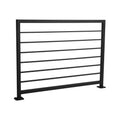

Cable railings have experienced a surge in popularity in recent years, becoming the first choice for many homeowners looking to add a contemporary touch to their decks, staircases, and balconies. As we enter 2026, cable railings continue to be a dominant trend, with their clean, sleek lines and modern understated appearance making them an unmissable design element in modern architecture.
The appeal is obvious: cable railings offer an unobstructed view that traditional balusters simply can't match, while providing a minimalist aesthetic that complements everything from ultra-modern homes to surprisingly traditional styles. They're perfect for showcasing breathtaking views, creating a sense of openness, and adding that coveted "less is more" philosophy that defines contemporary design.
But here's what many DIY enthusiasts don't realize: cable railings require a bit more engineering precision than your standard wooden or metal railing systems. The combination of proper tensioning, load calculations, and code compliance makes this a project that demands both technical understanding and careful execution.
The Rise of Cable Railing Popularity
Cable railings have evolved far beyond their nautical and industrial origins to become a signature element of modern residential design. The minimalist movement, championed by architects like Ludwig Mies van der Rohe with his "less is more" philosophy, has driven this innovation in railing design. What was once purely functional has become an essential element of spatial aesthetics.
The numbers speak for themselves: cable railing installations have grown exponentially over the past decade, driven by homeowners who want to:
-
Maximize Views: Cable railings are virtually invisible, allowing unobstructed sight lines to gardens, water features, or scenic vistas
-
Create Visual Continuity: The horizontal lines complement modern architecture's emphasis on clean, geometric forms
-
Increase Property Value: Modern updates like cable railings can significantly enhance curb appeal and market value
-
Achieve Durability: Properly installed stainless steel cable systems can last decades with minimal maintenance
Understanding the Engineering Requirements
This is where cable railings differ significantly from traditional railing systems. While a wooden baluster railing relies on rigid vertical elements for safety, cable railings depend entirely on proper engineering and tensioning to meet building codes.
The Critical Engineering Factors:
Load Requirements: Cable railing systems must withstand uniform loads of 50 pounds applied over a 12" x 12" area, plus concentrated loads of 200 pounds applied at any point on the top rail. The entire system must handle these forces without failure.
The 4-Inch Sphere Rule: This is the golden standard for cable spacing. Building codes require that a 4-inch diameter sphere cannot pass through any opening in the railing system. With cable deflection under load, this typically means cables should be spaced no more than 3-3/8 inches on center.
Tension Specifications: Cables typically require 200-300 pounds of tension to maintain proper rigidity. However, over-tensioning can bow posts or damage the rail system, while under-tensioning creates safety hazards and code violations.
Post Engineering: Posts must be engineered to resist the horizontal forces created by tensioned cables. This often requires larger posts or closer spacing than traditional railing systems.
Read also: Exploring the Different Types of Railing for Stairs
From Buying to Installation: Your Complete Guide
Phase 1: Planning and Design
Measure Your Space Precisely
-
Record exact measurements of your railing runs
-
Note any changes in elevation or direction
-
Identify mounting surface types (wood, concrete, steel)
-
Check local building codes for specific requirements
Choose Your System Type
-
All-in-One Kits: Pre-engineered systems with everything included (recommended for beginners)
-
Component Systems: Individual parts for custom configurations
-
Material Options: Stainless steel posts with wood top rails, all-metal systems, or hybrid designs
Post Spacing Planning For optimal performance, plan posts no more than 4 feet on center. Closer spacing (3 feet) provides better cable support and easier tensioning, especially on stairs and longer runs.
Phase 2: Purchasing the Right Components
Essential Components You'll Need:
-
Posts: Structural posts engineered for cable tension forces
-
Cables: 1/8" or 3/16" stainless steel cable (1x19 configuration recommended)
-
Hardware: Cable fittings, tensioners, end caps, and mounting brackets
-
Top Rail: Handrail component (wood, metal, or composite)
-
Fasteners: Appropriate anchors and bolts for your mounting surface
Quality Specifications to Look For:
-
316-Grade Stainless Steel: Marine-grade material that resists corrosion in all environments
-
Pre-engineered Systems: Professionally calculated to meet code requirements
-
Adjustable Tensioning: Systems that allow for easy re-tensioning over time
Phase 3: Installation Process
Step 1: Post Installation
-
Mark post locations according to your plan
-
Install posts using appropriate mounting hardware
-
Verify posts are plumb and properly secured
-
Double-check spacing measurements before proceeding
Step 2: Top Rail Installation
-
Cut top rail to length with proper angles for direction changes
-
Secure top rail to posts using manufacturer-specified fasteners
-
Ensure rail is level and provides proper gripping surface
Step 3: Cable Installation
-
Thread cables through posts starting from one end
-
Install cable fittings and tensioning hardware
-
Begin with loose cable runs - don't tension yet
Step 4: Critical Tensioning Sequence This is where the engineering matters most:
-
Start with middle cables first - tension the center run of your system
-
Work alternately up and down from center
-
Finish with top and bottom runs
-
Aim for 200-300 pounds of tension per cable
-
Test with 4-inch sphere - no cable should deflect enough to allow passage
Phase 4: Code Compliance and Safety Verification
Final Inspection Points:
-
Height Requirements: Verify 36" minimum height (42" in some jurisdictions)
-
Sphere Test: Systematically test entire system with 4-inch ball
-
Load Testing: Apply pressure to verify system doesn't deflect excessively
-
Hardware Security: Confirm all connections are properly tightened
Read also: What’s the Commercial Handrail Height Code?
Post-Installation Maintenance
Cable railings require more ongoing attention than traditional systems, but the maintenance is straightforward:
Immediate Follow-Up (First Month):
-
Re-check tension after first few weeks as cables settle
-
Verify no loose connections have developed
-
Re-tension any cables showing slack
Regular Maintenance Schedule:
-
6 Months: First major re-tensioning and inspection
-
12 Months: Second inspection and tension adjustment
-
Every 2 Years: Ongoing tension verification and hardware inspection
Seasonal Considerations:
-
Temperature Changes: Cables expand and contract, affecting tension
-
Weather Exposure: Regular cleaning prevents corrosion and maintains appearance
-
Load Monitoring: Watch for any signs of post deflection or hardware loosening
Common DIY Mistakes and How to Avoid Them
Over-Tensioning: This is the most common error. Excessive tension can bend posts, distort rails, and actually make the system less safe. Use a tension gauge if possible, and follow manufacturer specifications precisely.
Inadequate Post Engineering: Standard deck posts may not handle cable tension forces. Ensure your posts are properly sized and anchored for the loads they'll experience.
Ignoring Temperature Effects: Cables expand and contract with temperature changes. Plan for this by checking tension after significant temperature swings.
Improper Tensioning Sequence: Random tensioning can create uneven loads and system distortion. Always follow the center-out, alternating pattern.
Is DIY Cable Railing Right for You?
Cable railing installation is definitely within reach of confident DIYers, but it's not a beginner project. Consider your comfort level with:
-
Precise Measurements: Accuracy is critical for both safety and appearance
-
Engineering Concepts: Understanding load, tension, and deflection principles
-
Code Requirements: Navigating building codes and inspection requirements
-
Specialized Tools: You may need tension gauges and specialized drilling equipment
When to Consider Professional Installation:
-
Complex configurations with multiple direction changes
-
Structural modifications to existing posts or framing
-
Commercial applications with stricter engineering requirements
-
Local codes requiring professional installation or stamped drawings
The Bottom Line
Cable railing installation represents the perfect intersection of modern design and engineering precision. When done correctly, you'll have a railing system that's not only stunning and contemporary, but also incredibly safe and durable.
The key is respecting the engineering requirements while embracing the design possibilities. Take time to understand the technical aspects, invest in quality components, and don't rush the installation process. The result will be a railing system that transforms your space and provides decades of reliable service.
At SI Handrails, while we specialize in custom wrought iron work, we appreciate the engineering that goes into all quality railing systems. Whether you're planning a DIY cable installation or considering a completely custom solution, the principles of proper engineering, quality materials, and precise installation remain the same.


