


When you're planning a handrail installation, most of the attention naturally goes to the handrail itself. What style? What material? What finish? But there's another component that plays a bigger role than most people realize: the brackets that mount your handrail to the wall.
Most of the time homeowners haven't given much thought to brackets until installation time. Then suddenly they're faced with a choice: standard functional brackets or decorative options that add visual interest. And honestly? That choice matters more than you might think.
The brackets you choose affect not just how your handrail looks, but also how it integrates with your home's style, how much it costs, and even how installation goes. Some situations call for simple, straightforward brackets that do their job and get out of the way. Other projects deserve decorative brackets that become part of the design story.
Let's break down exactly what each type of bracket brings to the table and how to figure out which one makes sense for your project.
Understanding Standard Handrail Brackets
What Are Standard Brackets?
Standard handrail brackets are the workhorses of handrail installations. They're designed with one primary goal: securely mounting your handrail to the wall with maximum efficiency and minimum visual presence.
These brackets typically feature simple, clean designs. A plate that mounts flush to the wall, a support arm that extends out, and a cradle or clamp that holds the handrail. No extra ornamentation, no decorative flourishes, just straightforward functionality.
You'll find standard brackets in a few common configurations. Some use a U-shaped cradle where the handrail sits. Others employ a two-piece clamp system that grips the handrail from top and bottom. The mounting plates are usually flat and relatively small, designed to be as unobtrusive as possible.
Materials for standard brackets are typically chosen for strength and durability rather than aesthetic appeal. Steel, stainless steel, and aluminum are common. Finishes tend toward the practical: powder coating in basic colors, zinc plating, or brushed metal.
When Standard Brackets Are Used
Standard brackets are the default choice in a lot of situations, and for good reason. They're used when function is the priority and the handrail itself is meant to be the visual focus.
Commercial and Institutional Settings: In office buildings, hospitals, schools, and public facilities, standard brackets are overwhelmingly common. These environments need reliable, code-compliant handrails without unnecessary embellishment. The brackets need to be durable, easy to maintain, and cost-effective across potentially hundreds of installations.
Modern and Minimalist Designs: Contemporary homes that embrace clean lines and minimal ornamentation often pair beautifully with standard brackets. A sleek, simple bracket complements rather than competes with modern architectural elements. The goal is visual quietness, letting the space itself be the star.
Budget-Conscious Projects: When you're working with limited funds, standard brackets deliver the essential function at a lower price point. Rental properties, spec homes, and projects where handrails are a practical necessity rather than a design statement often go this route.
Industrial or Utilitarian Spaces: Garages, workshops, basements, and utility areas don't typically call for decorative elements. Standard brackets fit the aesthetic of these working spaces.
Code Compliance Focus: Some projects are primarily about meeting building codes and safety requirements. A handrail installed to pass inspection for a home sale, for example, might use standard brackets simply because they're adequate and available.
Advantages of Standard Brackets
Cost Efficiency: This is the big one. Standard brackets typically cost $10 to $30 per bracket, compared to $40 to $150+ for decorative options. When you need six to eight brackets for a staircase, those savings add up quickly.
Wide Availability: You can find standard brackets at virtually any hardware store, home improvement center, or online supplier. Need brackets today? You can probably get them today. This availability also means competitive pricing and lots of options for materials and finishes.
Universal Compatibility: Standard brackets work with a wide range of handrail types, sizes, and materials. They're designed to accommodate standard handrail profiles, making them a safe bet when you're not sure exactly what specifications you need.
Straightforward Installation: There's nothing complicated about mounting standard brackets. The instructions are simple, the process is proven, and any handyman or contractor knows exactly how to install them. This simplicity can save money on labor and reduce the chance of installation errors.
Low Profile Aesthetic: In spaces where you want the handrail to blend in rather than stand out, standard brackets are perfect. They're functional without being showy, which is exactly right for certain contexts.
Easy Replacement: If a bracket gets damaged or you want to update your handrail, standard brackets are easy to find and replace. You're not hunting for a specific decorative piece that might be discontinued.
Durability Through Simplicity: Fewer decorative elements mean fewer spots where finish can wear or details can get damaged. Standard brackets are built like tools because, essentially, that's what they are.
Understanding Decorative Handrail Brackets
What Are Decorative Brackets?
Decorative brackets take the functional purpose of supporting a handrail and elevate it into an architectural element. These brackets aren't content to just hold up the handrail; they want to contribute to the overall design of your space.
Decorative brackets come in an incredible variety of styles. You'll find traditional designs with scrollwork and flourishes that echo ornamental ironwork from centuries past. Victorian-style brackets with elaborate curves and botanical motifs. Arts and Crafts brackets with geometric patterns and hammered textures. Modern interpretations that add visual interest through clean, artistic shapes.
The materials and finishes for decorative brackets are often more varied and premium than standard options. Hand-forged iron, cast bronze, decorative aluminum, and even brass for the right application. Finishes might include oil-rubbed bronze, brushed nickel, antiqued copper, or specialized patinas that add depth and character.
The construction of decorative brackets is often more complex. They might feature multiple components welded together, cast details, engraved patterns, or textured surfaces. Some are hand-finished, with attention paid to every curve and detail.
When Decorative Brackets Can Be Chosen
Here's the beautiful thing about decorative brackets: you can choose them in a lot more situations than people realize. It's not just for grand estates or historic homes. Any project where handrails are visible and design matters is a potential candidate for decorative brackets.
High-Visibility Locations: An entryway staircase that guests see immediately when entering your home. A dramatic staircase in a two-story foyer. Handrails along a hallway that's part of the main living space. When the handrail is on display, decorative brackets make sense.
Architectural Style Statements: Homes with strong architectural character benefit from decorative brackets that reinforce that style. A Craftsman bungalow deserves brackets that echo that aesthetic. A Victorian home looks more authentic with period-appropriate decorative elements. Spanish Colonial architecture pairs beautifully with wrought iron scrollwork brackets.
Spaces Where Details Matter: In rooms where you've invested in other decorative elements (crown molding, wainscoting, custom millwork), decorative brackets maintain that level of attention to detail. They signal that every element has been thoughtfully considered.
Personal Expression: Sometimes you choose decorative brackets simply because you love them. Your home is an expression of your taste, and if beautiful brackets bring you joy every time you see them, that's reason enough.
Boutique Commercial Spaces: Upscale retail shops, boutique hotels, fine restaurants, and similar businesses use decorative brackets to reinforce their brand identity and create memorable spaces.
Renovation and Restoration Projects: When you're updating a home or restoring a historic property, decorative brackets can help new elements harmonize with existing character. They bridge the gap between necessary modern additions and authentic period details.

Advantages of Decorative Brackets
Aesthetic Impact: This is what decorative brackets are all about. They transform a purely functional element into something beautiful. A handrail with decorative brackets becomes an architectural feature rather than just a safety requirement.
Architectural Authenticity: For period homes, decorative brackets provide historical accuracy. Victorian scrollwork, Art Deco geometry, or Craftsman simplicity; the right brackets help maintain the home's authentic character.
Design Cohesion: Decorative brackets can tie together design elements throughout a space. If you have decorative ironwork on doors, light fixtures, or furniture, brackets that echo those details create visual harmony.
Customization Opportunities: Many decorative brackets can be custom-made to your specifications. Want a specific pattern? A particular finish? Brackets that match other metalwork in your home? Custom decorative brackets make that possible.
Perceived Value: Beautiful details signal quality and craftsmanship. Decorative brackets elevate the perceived value of your home, which matters for resale and for your own enjoyment.
Conversation Pieces: Unique decorative brackets get noticed. Guests comment on them. They become talking points that add character to your home.
Flexibility in Design: Decorative doesn't mean old-fashioned. Modern decorative brackets can be sleek and contemporary while still adding visual interest beyond what standard brackets offer.
Read also: Step-by-Step Guide: How to Attach a Handrail to a Wall
Situations Where You Can Choose Between Both
The interesting truth is that many projects fall into a gray area where either standard or decorative brackets could work. The "right" choice comes down to priorities, budget, and personal preference.
Residential Staircase Projects
Your home's main staircase is probably the most common situation where homeowners face this choice. Neither option is wrong; they just create different effects.
If your home has a clean, modern aesthetic with minimal trim and simple lines, standard brackets might be the better fit. They maintain the visual simplicity that modern design values.
But if your home has traditional details, architectural character, or you simply want your staircase to be more than purely functional, decorative brackets are worth considering. They can transform a basic staircase into a feature staircase.
Budget-Flexible Projects
When budget is genuinely flexible (you can afford either option), the choice becomes purely about design preference and the role you want the handrail to play in your space.
Do you want the handrail to quietly do its job, or do you want it to contribute to the room's character? Both are legitimate design choices. Some of the most beautiful modern interiors use standard brackets to maintain visual calm. Some traditional spaces use decorative brackets to celebrate craft and detail.
Mid-Range Home Updates
Homeowners updating mid-range properties often wonder if decorative brackets are "too much" or if standard brackets are "settling." Here's the reality: it depends on how you want your home to feel.
Decorative brackets can be a relatively affordable way to add custom character to a home that might otherwise feel builder-grade. They signal that thought and care went into the details. But they need to be part of a cohesive design approach; decorative brackets alone don't transform a space if everything else is basic.
Standard brackets in a well-designed space can look intentional and appropriate, especially in contemporary or transitional styles where visual simplicity is valued.
Renovation Projects
Renovations often involve both new and existing elements, and deciding on bracket style can be tricky. Do you match existing decorative elements? Do you go simpler to let the new handrail contrast with older features?
One approach: use decorative brackets where the handrail is most visible and standard brackets in less prominent areas. A main staircase might get decorative treatment while a basement or back stair uses standard brackets. This balances aesthetics with budget.
Blended Spaces
Open-concept homes where stairs are visible from main living areas are prime candidates for decorative brackets. The staircase isn't hidden; it's part of the living space, so treating it as a design element makes sense.
But if your aesthetic leans modern or minimalist, even in an open concept, standard brackets might better serve the design vision. It's about what supports the overall look you're creating.
Comparing Standard and Decorative Brackets Side by Side
Let's look at how these two options stack up across the factors that matter most:
Cost
Standard Brackets: $10 to $30 per bracket typically. For a staircase requiring 6-8 brackets, you're looking at $60 to $240 total.
Decorative Brackets: $40 to $150+ per bracket, depending on complexity and materials. Custom designs can run even higher. Same staircase: $240 to $1,200+ for brackets alone.
Winner for Budget: Standard brackets, clearly. The cost difference is significant, especially when you multiply by the number of brackets needed.
Aesthetic Impact
Standard Brackets: Minimal visual presence. They do their job without calling attention to themselves. Perfect when you want the handrail or space itself to be the focus.
Decorative Brackets: High visual impact. They add character, style, and architectural interest. They become design elements in their own right.
Winner for Visual Interest: Decorative brackets, if that's your goal. But remember that minimal visual impact is sometimes exactly what a design needs.
Installation Complexity
Standard Brackets: Simple, straightforward installation. Clear mounting points, standard hardware, minimal fuss. Most DIYers can handle it; any handyman knows the drill.
Decorative Brackets: Can be more complex, especially with elaborate designs. Some may require specific mounting considerations. Weight distribution might be different. Custom brackets might need professional installation.
Winner for Ease: Standard brackets. They're designed for simple installation.
Design Flexibility
Standard Brackets: Limited style options, but universal compatibility with various handrail types. You sacrifice visual interest but gain functional flexibility.
Decorative Brackets: Vast style options, from traditional to contemporary, simple to elaborate. You can match specific architectural periods, create custom designs, or make bold statements.
Winner for Style Options: Decorative brackets by a mile. The range is enormous.
Maintenance and Durability
Standard Brackets: Simple designs mean fewer crevices to clean, fewer delicate details to damage. Practical finishes hold up to daily use. Easy to touch up or replace if needed.
Decorative Brackets: More complex surfaces can accumulate dust. Intricate details might be more susceptible to damage. Some decorative finishes require more care. But quality decorative brackets from skilled craftspeople are built to last.
Winner for Low Maintenance: Standard brackets, though the difference might be minor with quality decorative options.
Resale Considerations
Standard Brackets: Safe, neutral choice that won't turn off potential buyers. They appeal to the broadest audience because they're unobtrusive.
Decorative Brackets: Can increase perceived value if they fit the home's character. Buyers appreciate quality details. But very personal or elaborate choices might not appeal to everyone.
Winner for Resale: Depends on the home. In a period home or upscale property, decorative brackets add value. In a basic contemporary home, standard brackets are probably the safer bet.
Availability and Lead Time
Standard Brackets: Available immediately from multiple sources. Need them today? You can probably get them.
Decorative Brackets: May require ordering, especially for specific styles. Custom brackets involve design time, fabrication, and finishing. Lead time could be weeks.
Winner for Speed: Standard brackets. If time is critical, they're the obvious choice.
Architectural Appropriateness
Standard Brackets: Work in virtually any setting. They're neutral enough to fit anywhere without looking wrong.
Decorative Brackets: Can look perfect or out of place depending on context. Ornate Victorian brackets in an ultra-modern home would feel odd. But the right decorative brackets in the right setting create magic.
Winner for Versatility: Standard brackets work everywhere, even if they don't elevate everywhere.
Customization Potential
Standard Brackets: Limited. You choose from available sizes, materials, and finishes, but that's about it.
Decorative Brackets: Extensive customization possible. Custom designs, specific finishes, unique patterns, matching existing elements.
Winner for Personalization: Decorative brackets. Not even close.
Making Your Decision
So how do you actually decide? Here's a practical framework:
Start with your space: What's the architectural style? What's the overall design direction? What other details exist in the room?
Consider visibility: How much will people see these brackets? A hidden handrail in a back hallway might not warrant decorative brackets. A prominent staircase in your entryway might deserve them.
Check your budget: Be realistic. If decorative brackets strain your budget, standard brackets that allow you to upgrade materials or finish elsewhere might be smarter.
Think long-term: Are you planning to sell soon? Building your forever home? Your timeline affects whether investment in decorative elements makes sense.
Honor your taste: If beautiful details bring you joy, decorative brackets might be worth the investment even if they're not "necessary." Your home should reflect what you love.
Assess the whole project: Sometimes using decorative brackets in one prominent location and standard brackets elsewhere gives you the best of both worlds: impact where it matters, economy where it doesn't.
Our Take: Where Each Shines
For commercial projects, industrial spaces, and modern minimalist homes, we often recommend standard brackets. They're cost-effective, reliable, and appropriately understated. They let the quality of the handrail itself take center stage.
For custom residential work, especially in homes with architectural character, we love creating decorative brackets. This is where our craftsmanship really shows. Custom scrollwork, hammered textures, unique designs that perfectly match a home's style; these projects let us combine function with artistry.
The brackets we make are built to last generations, whether they're simple and sturdy or ornate and beautiful. Quality matters in both categories. A well-made standard bracket is better than a cheap decorative one every time.
When clients are torn between options, we usually ask: "What role do you want the handrail to play in this space?" If the answer is "functional necessity that doesn't draw attention," standard brackets are right. If the answer is "architectural feature that contributes to the room's character," decorative brackets are worth considering.
There's no wrong answer, just the right answer for your specific situation.
Conclusion: Choose What Serves Your Space
The choice between decorative and standard handrail brackets isn't about one being inherently better than the other. It's about which better serves your specific project, priorities, and design vision.
Sometimes projects benefit from a thoughtful combination: decorative brackets where they'll be seen and appreciated, standard brackets where pure function is enough. This approach balances aesthetics with practicality and budget.
The key is making an intentional choice rather than defaulting to whatever's cheapest or easiest. Consider your space, understand your options, evaluate your priorities, and choose brackets that support your overall design goals.
Your handrail brackets might seem like a small detail in the grand scheme of a home improvement project. But small details add up to create the overall feeling of a space. Brackets that are chosen thoughtfully, installed properly, and appropriate to their setting make a difference, even if most people never consciously notice them. That's the mark of good design: every element, even the supporting pieces, playing their part perfectly.
Our Suggestion
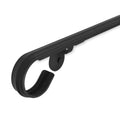
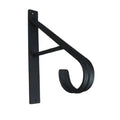
At SI Handrails, we've found there's actually a sweet spot between purely standard and elaborately decorative brackets. With our handrails, we include brackets that are simple yet perfectly complement the handrail itself. They're thoughtfully designed to elevate your space without overwhelming it or breaking the budget. Our brackets are crafted with the same attention to quality and detail as our handrails—they're not generic hardware store pieces, but they're also not ornate showpieces that demand attention. Instead, they strike a balance: clean, well-proportioned designs that look intentional and professionally finished while keeping the focus on the beautiful handrail they support.
If you're exploring options that give you professional results without the complexity or cost of fully custom decorative brackets, this approach might be exactly what you're looking for. Feel free to contact us or visit our website to see how our handrails and their complementary brackets work together to create installations that look cohesive and considered


