


Can you paint wrought iron? Absolutely—and choosing the right paint for wrought iron makes all the difference between a finish that lasts 2 years and one that protects your metalwork for decades. Whether you're refreshing outdoor railings or updating interior staircases, the best wrought iron paint balances durability with appearance.
At our three-generation steel fabrication shop, we've seen countless DIY paint jobs and professional finishes. We know which products hold up and which ones start peeling after one winter. Here's what actually works in 2026.
What Makes a Good Paint for Wrought Iron?
The best paint for wrought iron railings needs three things: rust inhibition, weather resistance, and proper metal adhesion. Regular house paint won't cut it. Wrought iron is exposed to moisture, temperature swings, and UV rays that break down standard latex paints in months.
Look for paints specifically formulated for metal. These contain rust-inhibiting additives and create flexible, non-porous coatings that move with the metal as it expands and contracts. Direct-to-Metal (DTM) paints are your friend—they're designed to bond directly to steel surfaces, often without separate primers.
1. Powder Coating: Matte Black (Our Top Pick)
Why It's on the List
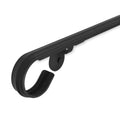
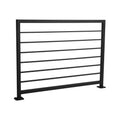
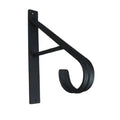
Powder coating isn't technically paint—it's a baked-on finish that creates the most durable protection you can get for wrought iron. At SI Handrails, every railing we fabricate gets powder-coated in matte black before it ships. We've been doing this for three generations, and there's a reason we haven't switched.
The process involves electrostatically applying dry powder to clean steel, then baking it at 400°F until it melts and forms a hard, uniform coating. The result? A finish that's 2-3 times thicker than liquid paint, resistant to chipping, scratching, and UV fading, and genuinely maintenance-free for years.
We use matte black specifically because it combines timeless aesthetics with practical benefits. The flat finish hides minor imperfections, doesn't show fingerprints or water spots, and works with any architectural style from modern to traditional. Our customers install these railings and forget about them—no annual touch-ups, no rust concerns, just reliable protection.
Think Twice Because...
Powder coating requires professional equipment and isn't a DIY option. You'll need to either order pre-finished railings (like ours) or take your metalwork to a coating shop. Touch-ups are also trickier—if you chip the finish, you can't just brush on more powder. You'll need to clean the area and apply liquid touch-up paint that matches.
Cost: Professional powder coating runs $75-150 per linear foot when done right, but the 20-30 year lifespan makes it the most economical long-term choice.
When to Choose It: New installations, major renovations, or when you want a factory finish that lasts decades without maintenance.
Now, can you paint wrought iron if powder coating isn't an option? Absolutely. Let's look at the best liquid paint options that deliver solid performance for DIY and professional applications. For detailed step-by-step painting instructions, check out our complete guide to painting wrought iron railings.
2. Rust-Oleum Universal All Surface Paint & Primer
Why It's on the List
This is the workhorse DIY option that actually delivers. Rust-Oleum's Universal line works on any metal surface and includes primer, which cuts your work in half. The oil-based formula creates a hard, protective shell that stands up to weather better than water-based alternatives.
Available in spray cans or brush-on formulas, it's convenient for smaller projects or touch-ups. The rust-inhibiting additives actively prevent corrosion rather than just covering it up. For weekend warriors tackling fence repairs or railing refreshes, this hits the sweet spot of performance and accessibility.
Think Twice Because...
You'll likely need 2-3 coats for full coverage, and it doesn't quite match the durability of professional-grade systems. In harsh climates (coastal salt air, heavy snow/road salt), expect to repaint every 3-5 years rather than once a decade.
Cost: $8-15 per spray can; $25-35 per quart
When to Choose It: DIY projects, touch-ups, budget-conscious repaints, or smaller items like furniture and decorative pieces.

3. Benjamin Moore DTM Acrylic (Ultra Spec HP)
Why It's on the List
This is what professional painters reach for when they want results that rival powder coating without the specialized equipment. Benjamin Moore's Direct-to-Metal acrylic creates an incredibly hard, glossy finish with excellent UV resistance and color retention.
The acrylic formulation is more flexible than oil-based paints, so it moves with the metal during temperature changes without cracking. It also cleans up with water and has lower VOCs, making it more pleasant to work with than traditional oil enamels. Contractors report finishes lasting 7-10 years with minimal fading in full sun exposure.
Think Twice Because...
It's more expensive than hardware store options, and you'll typically need to buy it from a Benjamin Moore dealer rather than grabbing it off the shelf. Application requires more technique—brush marks show more readily, so rolling or spraying gives the best results.
Cost: $60-90 per gallon
When to Choose It: Professional installations, high-visibility railings, or when you want the best brush/roll-on option available. This same level of quality applies to interior metalwork—learn more about painting indoor metal stair railings for tips on interior applications.
4. POR-15 Rust Preventive Coating
Why It's on the List
POR-15 is the heavy-duty option for seriously rusted or weathered iron. It's formulated to paint directly over rust (after loose scale is removed) and actually seals it in, stopping corrosion from spreading. The finish cures incredibly hard—harder than concrete—and forms a moisture-impermeable barrier.
This is the go-to for restoration projects or railings in extreme environments. Coastal properties, industrial areas with corrosive air, or anywhere moisture is constant will benefit from POR-15's aggressive rust protection.
Think Twice Because...
It's messy stuff. POR-15 is nearly impossible to remove from skin or tools once it cures, so meticulous masking and gloves are non-negotiable. The finish is also somewhat porous and requires a topcoat (POR-15 sells one) if you want UV protection and color stability. Without the topcoat, black fades to dark gray in sunlight.
Cost: $30-40 per pint; $80-120 per quart
When to Choose It: Severe rust problems, restoration projects, extreme weather environments, or when sealing existing rust is more practical than removing it all.
5. Valspar DTM Acrylic Enamel
Why It's on the List
Valspar's Direct-to-Metal enamel offers similar performance to Benjamin Moore but at a lower price point. It's available at Lowe's, making it accessible for DIY projects while still delivering professional-grade durability. The acrylic-alkyd hybrid formula combines the toughness of oil paint with the flexibility and easy cleanup of acrylics.
It provides excellent adhesion to properly prepared metal and creates a smooth, self-leveling finish that minimizes brush marks. The rust-inhibiting properties are solid, and most users report 5-7 year lifespans before needing a refresh.
Think Twice Because...
It's not quite as chemically resistant as Benjamin Moore or as rust-proof as POR-15. In very humid or coastal environments, you might see slightly shorter lifespans. Also requires good surface prep—it won't bond well to glossy or poorly cleaned metal.
Cost: $35-50 per gallon
When to Choose It: DIY projects where you want pro-level results without pro-level prices, or when you need a readily available DTM option.
6. Oil-Based Industrial Enamel (Rust-Oleum Professional)
Why It's on the List
This is old-school reliability. Oil-based industrial enamel has been protecting metal for decades because it works. The hard, glossy finish is exceptionally durable and creates an excellent moisture barrier. It levels beautifully, hiding brush marks and creating that classic "wet look" finish.
Many professional painters and metal workers still prefer oil enamels for their proven track record and superior flow characteristics. They're also more forgiving in humid conditions during application—you can paint in weather that would ruin water-based coatings.
Think Twice Because...
Oil paints are messy, smelly, and require mineral spirits for cleanup. They also take longer to dry (24-48 hours between coats) and yellow slightly over time. VOC regulations have restricted formulations in some areas, so what's available now isn't always as durable as older versions.
Cost: $40-60 per gallon
When to Choose It: Traditional projects, when you want maximum gloss, or when working in humid conditions that challenge water-based paints.
7. Epoxy Primer + Enamel Topcoat System
Why It's on the List
For the absolute best performance short of powder coating, nothing beats a proper system: epoxy primer followed by enamel topcoat. This is what industrial fabricators use on structural steel and what professionals choose for high-end residential work.
The epoxy primer bonds aggressively to metal and seals out moisture completely. The enamel topcoat provides UV protection and the finished appearance. Together, they create a coating system that can last 15-20 years even in harsh environments.
Think Twice Because...
This is a multi-day project requiring perfect surface prep, proper mixing (many epoxies are two-part), and attention to recoat windows. It's also expensive and typically requires spray equipment for the best results. Unless you're tackling a large project or need maximum durability, it's probably overkill.
Cost: $150-300 for primer and topcoat combined (professional-grade)
When to Choose It: Large projects, critical structures, coastal or industrial environments, or when you want the longest possible lifespan between repaints.
If you're exploring finishes for different types of metal railings beyond wrought iron, our complete guide to outdoor metal railing paints covers steel, aluminum, and other materials in depth.
How to Choose the Right Paint
Consider these factors:
Your Climate: Coastal salt air, road salt, or high humidity? Go with powder coating, POR-15, or an epoxy system. Moderate climates can use any quality DTM paint. For specific strategies on protecting outdoor iron from the elements, see our guide on protecting wrought iron fences from weather damage.
DIY vs. Professional: Spray cans and single-component paints are DIY-friendly. Epoxy systems and powder coating require professional application.
Budget: Initial cost vs. lifespan matters. Cheap paint that needs redoing every 2 years costs more over 10 years than one quality application of premium product.
Existing Condition: Heavily rusted? POR-15 or powder coating after proper prep. Good shape? Any DTM paint will work.
Indoor vs. Outdoor: Indoor railings can use lighter-duty finishes. Outdoor iron needs serious weather protection.
The Bottom Line
The best paint for wrought iron combines rust protection, weather resistance, and durability suited to your specific situation. For new installations or complete refinishing, powder coating delivers unmatched longevity. For DIY projects, quality DTM paints like Rust-Oleum Universal or Valspar DTM balance performance with accessibility. For restoration work, POR-15 tackles rust that other paints can't handle.
At SI Handrails, we stand behind powder coating because we've seen the results over three generations of steel fabrication. But we also understand that not every project calls for factory finishing. Whatever paint you choose, invest the time in proper surface prep—it's the difference between a paint job that lasts 2 years and one that lasts 20.
Looking for railings with a finish that'll outlast any DIY paint job? Browse our handrail collection to see our powder-coated products, or contact us to discuss custom fabrication. We use US-made steel and professional powder coating on every piece, so you can install it once and move on to other projects.
Frequently Asked Questions
Can you paint wrought iron without removing old paint?
You can paint over existing paint if it's firmly bonded and not peeling. Sand the surface to rough it up, clean thoroughly, and use a quality DTM paint. But any areas with rust, bubbling, or loose paint must be stripped down to bare metal first.
What's better for wrought iron—oil-based or water-based paint?
Oil-based paints are more durable and weather-resistant but smell stronger and take longer to dry. Water-based DTM acrylics have caught up in performance, clean up easier, and work fine in most climates. For extreme weather, oil still has a slight edge.
How long does paint last on wrought iron railings?
Depends on the paint quality and climate. Budget paints: 2-3 years. Quality DTM paints: 5-7 years. Professional epoxy systems: 10-15 years. Powder coating: 20-30 years. Proper prep and application can double these numbers.
Should I use spray paint or brush-on paint for wrought iron?
Spray gives smoother coverage on detailed work and curves but requires more masking. Brush-on offers better control and builds thickness faster on flat surfaces. Most professionals use rollers for large flat areas and brushes for details.
Is powder coating worth the extra cost?
For new installations or complete refinishing, yes. The upfront cost is higher, but the 20-30 year lifespan with zero maintenance means you'll never repaint. For small touch-ups or temporary fixes, stick with liquid paint.
Can I paint over rust on wrought iron?
Only with specific rust-encapsulating primers like POR-15 or Rust-Oleum Rust Reformer. Remove all loose, flaking rust first. For best results and longest life, remove rust completely down to bare metal before priming and painting.
What color paint is best for wrought iron?
Matte or semi-gloss black remains the most popular and practical choice—it hides imperfections, works with any style, and is easy to touch up. But modern DTM paints come in any color you want. Just avoid flat finishes outdoors—they show dirt and are harder to clean.
How do I paint wrought iron railings without drips?
Use thin coats rather than trying to cover in one pass. Roll or spray when possible instead of brushing. If brushing, work with the metal (horizontally on horizontal rails, vertically on vertical posts) and brush out any drips immediately. DTM paints self-level nicely if you don't overload the brush.


