

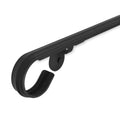
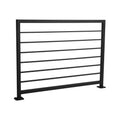
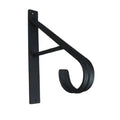

Here's something that might surprise you: the metal itself - whether it's wrought iron, steel, or aluminum - is only half the equation when it comes to how long your railing will last and how good it will look over time. The other half? The finish. And honestly, the finish might be even more important than the base material in determining whether your railing still looks great in twenty years or becomes a rusty, flaking embarrassment.
A finish is your railing's armor against the world. It's the barrier between the metal and everything trying to destroy it—moisture, oxygen, UV rays, salt, chemicals, physical abrasion, temperature extremes. Without proper finishing, even the highest-quality wrought iron will rust. With the right finish properly applied, even basic steel can last for decades with minimal maintenance.
But here's where it gets complicated: not all finishes are created equal, and the "best" finish depends entirely on your specific situation. A finish that's perfect for an interior staircase might fail miserably on a coastal deck. We work with all three major metal finishing systems—traditional paint, powder coating, and galvanizing—and I've seen all three succeed spectacularly and fail miserably depending on the application and execution.
So let's break down these three finishing methods in detail. By the end, you'll understand not just what each finish is, but which one makes sense for your specific railing project—because choosing the wrong finish, even on perfectly fabricated railings, means you'll be dealing with problems and maintenance far sooner than you should be.
Traditional Paint: The Classic Approach
Paint is what most people think of first when finishing metal—it's familiar, accessible, and has been used for centuries. But "paint" covers a huge range of products with vastly different performance characteristics.
What Paint Actually Is
Paint is a coating that consists of pigments (providing color and opacity) suspended in a liquid binder (usually resin-based) with solvents and additives. When applied to metal, the liquid spreads across the surface, the solvents evaporate, and the binder cures, leaving a solid film bonded to the metal.
For metal railings, we're typically talking about industrial-grade paints—not the stuff you buy at a hardware store for touch-ups. Quality metal paints are specifically formulated with rust inhibitors, better adhesion promoters, and more durable binders than general-purpose house paint.
How It's Applied
Proper paint application on metal is a multi-step process that's critical to long-term performance:
Surface Preparation: This is where most paint jobs succeed or fail. The metal must be completely clean—free of any mill scale, rust, oil, or contaminants. This typically means sandblasting or chemical treatment to get down to bare, clean metal.
Primer Application: Metal almost always gets a primer coat first. The primer is formulated to bond aggressively to metal and to resist corrosion. It usually contains rust inhibitors and provides a good foundation for topcoats. Some primers are specifically designed to neutralize any remaining surface rust and prevent it from spreading.
Topcoat Application: One or more topcoat layers provide color, UV protection, and the final weather barrier. Quality installations use at least two topcoats. The paint can be brushed, rolled, or sprayed—spray application generally gives the most even, professional results.
Curing: The paint needs adequate time to cure fully before the railing is put into service. This might be just hours for some paints or several days for others, depending on chemistry and environmental conditions.
For more info, read our article: How to Paint Indoor Metal Stair Railings: A Complete Guide
The Advantages of Paint
Color Flexibility: Paint offers essentially unlimited color options. You can match any existing color precisely, change colors easily in the future, or create custom finishes. Want your railing to match your front door exactly? Paint makes that possible.
Easy Touch-Ups: Damaged paint can be touched up relatively easily. You keep some extra paint on hand, sand the damaged area, and repaint. While touch-ups are rarely invisible, they're straightforward and prevent rust from taking hold.
Lower Initial Cost: Quality paint finishing is generally the least expensive option upfront. The materials cost less than powder coating equipment or galvanizing services, and the labor, while still skilled, is more widely available.
Suitable for Field Application: Paint can be applied on-site, which means railings can be touched up after installation, or even completely refinished years later without removing them. This flexibility is valuable for repairs and renovations.
Works on Assembled Products: Since painting happens after fabrication is complete, you can paint assembled railings including welds, connections, and complex assemblies. The paint flows over everything.
Aesthetic Options: Beyond solid colors, paint can create specialty finishes—metallic effects, hammered appearances, textured finishes. These decorative options aren't possible with other finishing methods.
Indoor Applications Excel: For interior railings where weather isn't a factor, quality paint performs excellently for decades with minimal maintenance.
The Limitations of Paint
Durability Concerns: Even the best paint is relatively soft compared to powder coating or galvanizing. It's more susceptible to chipping from impacts, scratching from abrasion, and general wear from handling. High-traffic railings will show wear patterns where hands grip regularly.
Weather Vulnerability: UV exposure breaks down paint over time, causing fading, chalking (where the surface becomes powdery), and eventual failure. Moisture can work its way under paint edges, particularly at any imperfections in the coating, causing peeling and bubbling.
Maintenance Requirements: Painted metal railings need repainting eventually. Exterior railings in harsh conditions might need attention every 5-7 years. Even interior railings will eventually need refinishing, though the timeline is much longer—perhaps 15-20 years or more.
Application Challenges: Getting paint to properly coat inside corners, the backsides of balusters against walls, and other hard-to-reach areas is difficult. These areas often get thinner coverage and fail first.
VOCs and Environmental Concerns: Many quality metal paints contain volatile organic compounds that have environmental impacts and can be unpleasant during application. Low-VOC options exist but may not perform as well.
Preparation Critical: Paint quality depends enormously on surface preparation. Sloppy prep work—inadequate cleaning, insufficient rust removal, contamination—leads to premature failure regardless of paint quality.
Read also: The Best Paints for Outdoor Metal Railings: A Complete Guide
Best Applications for Paint
Paint works best for:
-
Interior railings where weather isn't a factor
-
Projects where color matching is critical
-
Situations where future color changes are desired
-
Repairs and renovations where on-site finishing is necessary
-
Budget-conscious projects where lower upfront cost matters
-
Decorative elements requiring specialty finishes
-
Installations where touch-up capability is valued

Powder Coating: The Modern Standard
Powder coating has become the default choice for many metal railing applications, and for good reason - when properly done, it offers superior durability and appearance compared to traditional paint.
What Powder Coating Actually Is
Powder coating is a dry finishing process that applies electrostatically charged colored powder particles to grounded metal parts. The powder is a mixture of finely ground particles of pigment and resin. Unlike paint, there are no solvents—it's applied as a dry powder.
After application, the coated parts are cured in an oven at temperatures typically between 350-400°F. The heat causes the powder particles to melt and flow together, creating a continuous film that chemically bonds to the metal surface. As it cools, this film hardens into a durable, uniform coating.
The chemistry is different from paint—powder coating undergoes a chemical cross-linking reaction during curing that creates molecular bonds within the coating itself. This makes the final finish significantly harder and more durable than paint films.
How It's Applied
Powder coating is an industrial process that requires specific equipment, so it can't be done on-site—parts must go to a coating facility.
Surface Preparation: Even more critical than with paint. The metal must be completely clean and often undergoes chemical pretreatment. Common methods include sandblasting to remove any contaminants, followed by chemical treatments that etch the surface slightly and leave conversion coatings that enhance adhesion and corrosion resistance.
Powder Application: The parts are hung on racks in a spray booth. The powder is applied using a specialized spray gun that imparts an electrostatic charge to the powder particles. Because the parts are grounded, the charged powder particles are attracted to them and cling electrostatically, covering all surfaces including backs of parts and inside corners (the "wrap-around effect").
Curing: The coated parts go into a curing oven where they're heated for a specific time at a specific temperature. This has to be precise—insufficient curing leaves the coating soft and vulnerable; excessive curing can cause discoloration or brittleness.
Quality Control: Professional powder coating facilities inspect the cured parts for coverage, finish quality, and defects. Any failures are stripped and recoated.
The Advantages of Powder Coating
Superior Durability: Powder coating is significantly harder and more impact-resistant than paint. It resists chipping, scratching, and abrasion better than any liquid coating. Powder-coated railings can take harder use and still look good.
Excellent Weather Resistance: Quality powder coatings are highly UV-resistant and don't fade, chalk, or break down in sunlight nearly as quickly as paint. They also resist moisture penetration extremely well.
Uniform, Professional Appearance: Because of the electrostatic application and the way powder flows during curing, powder coating creates an exceptionally even, smooth finish with consistent color. There are no brush marks, runs, or sags like you might see with paint.
Thicker Coating: Powder coating typically goes on significantly thicker than paint in a single application—often 2-3 mils compared to 1-2 mils for paint layers. This provides better protection and allows some tolerance for minor surface imperfections.
Environmentally Friendly: Powder coating contains no solvents and releases no VOCs during application or curing. Overspray powder can be collected and reused. It's one of the most environmentally responsible finishing options.
Complete Coverage: The electrostatic attraction pulls powder into recesses, around corners, and onto back surfaces. This "wrap-around" effect provides more complete coverage than spray painting typically achieves.
Extensive Color Range: While not quite as unlimited as paint, powder coating comes in hundreds of standard colors plus the ability to create custom colors. Metallic, textured, and specialty finishes are available.
Chemical Resistance: Cured powder coating resists many chemicals better than paint, including cleaners, solvents, and oils. This matters in industrial applications and anywhere harsh cleaners might be used.
Long Service Life: Properly applied powder coating on railings regularly lasts 15-20+ years outdoors before needing attention, and decades indoors. This long service life often justifies the higher initial cost.
The Limitations of Powder Coating
Higher Upfront Cost: Powder coating is more expensive than painting initially. You're paying for sophisticated equipment, skilled operators, and the industrial process. For small projects, the minimum charges from coating facilities can make powder coating disproportionately expensive.
Size Limitations: Parts have to fit in the curing oven, which limits the size of railings that can be powder coated as assembled units. Very large railings may need to be coated in sections and assembled afterward, creating joints in the finish.
No Field Application: Powder coating can't be done on-site. If your railing is already installed and needs refinishing, it has to be removed, taken to a coating facility, processed, and reinstalled. This makes touch-ups and repairs complicated.
Difficult Touch-Ups: Damaged powder coating can't really be touched up invisibly. You can apply paint to damaged areas to prevent rust, but it won't match perfectly. Significant damage often means stripping and recoating entire sections.
Assembly Timing: Since coating happens before installation, you have to be very careful during assembly and installation not to damage the finish. Every fastener, every weld (which isn't possible after coating), every adjustment risks marring the coating.
Heat Sensitivity of Base Metal: The 350-400°F curing temperatures can affect some metals and assemblies. Any components that might be damaged by heat (certain adhesives, rubber components, previously powder-coated parts being recoated) need special consideration.
Color Changes Require Recoating: If you decide you hate the color years later, you can't just paint over powder coating easily. The surface is too smooth and non-porous for good paint adhesion. Changing colors means stripping and recoating—expensive and time-consuming.
Best Applications for Powder Coating
Powder coating excels in:
-
Exterior railings where weather exposure is significant
-
High-traffic areas where durability matters
-
Coastal environments where salt air is corrosive
-
Commercial and public installations expecting heavy use
-
Projects where long service life justifies higher initial cost
-
New fabrication where parts can be coated before assembly
-
Installations where low maintenance is a priority
-
Anywhere a professional, uniform appearance is important

Hot-Dip Galvanizing: The Ultimate Protection
Galvanizing is fundamentally different from paint or powder coating—instead of applying a coating on top of steel, galvanizing actually bonds a layer of zinc to the steel surface. It's not the prettiest option, but for sheer corrosion protection, nothing beats properly galvanized steel.
What Galvanizing Actually Is
Hot-dip galvanizing is a process where steel is immersed in molten zinc (at about 840°F). The zinc metallurgically bonds to the steel surface, creating a series of zinc-iron alloy layers with a layer of pure zinc on top. This isn't a coating sitting on the surface—it's an integral part of the metal structure.
The zinc layer serves as both a barrier (like paint or powder coating) and as sacrificial protection. Even if the zinc layer is damaged, exposing the steel underneath, the surrounding zinc corrodes preferentially to the steel, protecting it. This is called cathodic protection, and it's the key advantage of galvanizing.
How It's Done
Galvanizing is an industrial process requiring specialized equipment and careful process control:
Surface Preparation: The steel goes through a series of chemical baths to remove any contaminants. This typically includes caustic cleaning (removes oils and organic contaminants), pickling in acid (removes rust and mill scale), and fluxing (prepares the clean surface for zinc bonding).
Galvanizing Bath: The cleaned steel is immersed in the molten zinc bath for sufficient time for the zinc to react with the steel surface. The temperature, immersion time, and steel composition all affect the final coating characteristics.
Cooling and Finishing: After removal from the zinc bath, parts cool and the zinc solidifies. Sometimes parts are quenched in water to accelerate cooling. The zinc surface may be treated or sealed to slow the initial rapid oxidation that creates the familiar matte gray patina.
Inspection: Galvanized parts are inspected for coating thickness, uniformity, and any defects like bare spots or excessive buildup.
Read also: Your Handrail Safety & Maintenance Checklist
The Advantages of Galvanizing
Unmatched Corrosion Protection: Galvanized steel can last 50+ years in most environments, even outdoors with weather exposure. In particularly harsh conditions—coastal salt spray, industrial atmospheres—galvanizing remains the gold standard.
Complete Coverage: Because the entire part is immersed, every surface gets coated—inside, outside, edges, corners, threads, even the interiors of hollow sections. There are no missed spots or thin coverage areas.
Sacrificial Protection: This is huge: if the zinc coating is scratched or damaged, the exposed steel still doesn't rust as long as there's zinc nearby. The zinc corrodes instead, protecting the steel. This means minor damage doesn't lead to rust spreading underneath the coating like it does with paint or powder coating.
Thick, Robust Coating: Galvanized coatings are typically much thicker than paint or powder coating—often 3-5 mils or more. This thickness provides substantial barrier protection and allows significant wear before the coating fails.
Low Maintenance: Galvanized railings require essentially no maintenance. You don't repaint or refinish them. They just sit there, protecting themselves, for decades.
Damage Resistant: The zinc coating is relatively hard and damage-resistant. While it will scratch if abused, it takes significant impact or abrasion to remove galvanizing, much more than would damage paint or powder coating.
Predictable Lifespan: Galvanizing degrades very slowly and predictably based on environmental conditions. You can reliably project how long it will provide protection, which helps with long-term planning.
Cost-Effective Over Time: While not the cheapest initially, galvanizing's exceptional longevity makes it potentially the most cost-effective finish over the railing's life. Zero maintenance costs for 50 years adds up.
Can Be Painted Later: If you want color on galvanized steel, you can paint or powder coat over galvanizing. This gives you both the color you want and the ultimate backup corrosion protection if the topcoat fails. This "duplex system" is used in the most demanding applications.
The Limitations of Galvanizing
Appearance: Galvanized steel has a characteristic matte gray appearance that many people find industrial or unfinished-looking. The zinc forms a crystalline pattern (called "spangle") that's visible. Over time, the zinc weathers to a more uniform dull gray. If you want color or a refined finished look, galvanizing alone won't provide it.
Size Limitations: Parts must fit in the galvanizing bath, which limits size. Very large railings may need to be galvanized in sections and assembled afterward.
Distortion Risk: The high temperature of the zinc bath (840°F) can cause thin materials or complex assemblies to warp or distort. Designs need to account for this, and sometimes require fixtures to hold parts straight during galvanizing.
Weight Considerations: The zinc coating adds weight—not typically an issue for railings, but worth considering for very large installations where every pound matters.
Aesthetic Challenges: The zinc coating can build up excessively in corners, at weld areas, and on sharp edges, creating drips or rough spots. These can usually be ground smooth after galvanizing, but it requires additional labor.
Welding After Galvanizing: You can't weld galvanized steel without either removing the galvanizing at the weld area (creating an unprotected spot) or dealing with toxic zinc fumes during welding. Designs need to allow for mechanical fastening after galvanizing or accept cold-galvanizing spray touch-up at weld repairs.
Limited Architectural Applications: Galvanizing alone rarely appears in residential installations because of the industrial aesthetic. It's common in commercial, industrial, and infrastructure applications where function trumps appearance.
Cost: Galvanizing isn't cheap. The process requires significant energy (heating tons of molten zinc), specialized equipment, and handling. For small projects, minimums and transport costs can make galvanizing impractical.
Hydrogen Embrittlement Risk: In high-strength steels, the pickling process before galvanizing can introduce hydrogen into the steel, potentially causing embrittlement. This is primarily a concern for specific steel alloys and specialized applications, not typical railing construction.
Best Applications for Galvanizing
Galvanizing makes the most sense for:
-
Coastal installations where salt air is extremely corrosive
-
Industrial environments with chemical exposure
-
Infrastructure projects expecting 50+ year service life
-
Agricultural applications where maintenance access is difficult
-
Commercial installations where long-term cost matters more than initial appearance
-
Outdoor railings in harsh climates
-
Situations where maximum corrosion protection is non-negotiable
-
Applications that will be painted or powder-coated over the galvanizing for duplex protection
Side-by-Side Comparison
Let's look at how these three finishes stack up across the factors that actually matter:
Initial Cost
Paint: $ (Lowest)
Powder Coating: $$ (Moderate)
Galvanizing: $$$ (Highest)
Durability (Impact/Scratch Resistance)
Paint: Fair - Shows wear relatively quickly
Powder Coating: Excellent - Very hard, impact resistant
Galvanizing: Good - Durable but will scratch; scratches don't compromise protection
Weather Resistance (UV/Moisture)
Paint: Fair to Good - Depends heavily on quality; requires repainting eventually
Powder Coating: Excellent - Resists UV and moisture exceptionally well
Galvanizing: Outstanding - Virtually unaffected by weather; 50+ year exterior life
Corrosion Protection
Paint: Good - Protects well when intact; rust spreads quickly if compromised
Powder Coating: Excellent - Superior barrier protection when intact
Galvanizing: Outstanding - Provides both barrier and sacrificial protection; protects even when damaged
Appearance/Aesthetics
Paint: Excellent - Unlimited colors, customizable, familiar appearance
Powder Coating: Excellent - Professional uniform finish, extensive color range
Galvanizing: Poor - Industrial gray appearance, visible spangle, not decorative
Color Options
Paint: Unlimited - Match anything, change easily
Powder Coating: Extensive - Hundreds of standards, customs available
Galvanizing: None - Matte gray only (unless painted over)
Maintenance Requirements
Paint: Moderate to High - Repaint every 5-20 years depending on exposure
Powder Coating: Low - May need attention after 15-20+ years
Galvanizing: Essentially None - Maintains itself for 50+ years
Touch-Up/Repair Ease
Paint: Excellent - Easy to touch up in the field with matching paint
Powder Coating: Poor - Difficult to touch up invisibly; may require recoating
Galvanizing: Poor - Damaged areas can be cold-galvanized sprayed but won't match
Application Flexibility
Paint: Excellent - Can be applied on-site, in field, on assembled parts
Powder Coating: Limited - Requires removal to coating facility; size limited by oven
Galvanizing: Limited - Requires industrial facility; size limited by bath; distortion possible
Environmental Impact
Paint: Moderate - VOCs in many formulations; some waste
Powder Coating: Low - No VOCs, recyclable overspray, minimal waste
Galvanizing: Moderate - Energy intensive; some chemical waste; very long service life offsets impact
Expected Service Life (Exterior)
Paint: 5-15 years before repainting needed
Powder Coating: 15-25+ years before attention needed
Galvanizing: 50+ years before zinc depletes
Best For Interior Use
Paint: Excellent - Decades of service with minimal maintenance
Powder Coating: Excellent - Potentially lifetime protection with no maintenance
Galvanizing: Overkill - Far more protection than needed; appearance typically unacceptable
Best For Harsh Exterior Use
Paint: Fair - Will require regular maintenance
Powder Coating: Good to Excellent - Long service life with proper application
Galvanizing: Outstanding - The standard for extreme environments
Read also: How to Integrate Handrails into Modern Home Design: Quick Inspiration Guide
Making Your Decision: Which Finish is Right?
The "best" finish depends entirely on your specific situation:
Choose Paint If:
-
Budget is tight and upfront cost is critical
-
The railing is interior where weather isn't a factor
-
Color matching or future color changes are important
-
You need field application or easy touch-ups
-
Specialty finishes (metallic, textured) are desired
Choose Powder Coating If:
-
The railing will be outdoors in normal to moderate conditions
-
You want minimal maintenance and long service life
-
Professional appearance and uniformity matter
-
You're fabricating new and can coat before installation
-
Budget allows for higher upfront cost for better long-term value
Choose Galvanizing If:
-
Maximum corrosion protection is non-negotiable
-
The environment is extremely harsh (coastal, industrial)
-
You want essentially zero maintenance for decades
-
Long-term cost matters more than initial appearance
-
You're willing to paint/powder coat over galvanizing for aesthetic appeal
Consider Combination Systems If:
-
You need both ultimate protection and attractive appearance
-
Budget allows for duplex systems
-
Service life requirements are extreme (50+ years)
-
The environment is particularly demanding
Conclusion
You now have what you need to make an informed decision about finishing your metal railings. Each system - paint, powder coating, and galvanizing—has legitimate advantages in the right application. There's no universal "best" choice, only the best choice for your specific circumstances.
Think about where your railing will live, what it needs to endure, how long you want it to last, and what you're willing to invest both upfront and in ongoing maintenance. Match those realities against what each finish actually delivers, not what you wish it would deliver.
Whatever you choose, remember this: the quality of application matters just as much as the finishing system itself. A poorly applied powder coat will fail faster than a properly applied paint job. Work with professionals who understand surface preparation, follow proper procedures, and stand behind their work. That investment in quality - whether it's paint, powder coating, or galvanizing - will pay dividends for years to come.


