

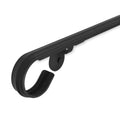
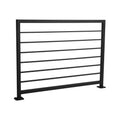
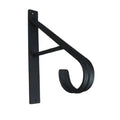

The way we build and design our homes is changing, and honestly? It's about time. More homeowners are waking up to the fact that the materials we choose don't just affect our living spaces; they impact the planet we're leaving for future generations. At Steel Impressions, while we specialize in wrought iron and steel work, we believe in being part of the broader conversation about sustainable building practices.
Here's the thing: being eco-conscious isn't just a trend or a marketing buzzword. It's about making informed decisions that benefit both your family and the environment. When you're investing in something as permanent as a handrail, understanding your material options and their environmental impact matters. Whether you're building new or renovating, choosing sustainable materials shows you're thinking beyond aesthetics and considering the bigger picture.
Let's explore the eco-friendly handrail materials that are making waves in the green building movement.
1. Reclaimed Wood: Character with a Conscience
The Eco-Friendly Angle
Reclaimed wood is exactly what it sounds like: wood salvaged from old barns, factories, wine barrels, or deconstructed buildings. Instead of ending up in a landfill, this timber gets a second life in your home. No new trees are cut down, which means no additional deforestation, no transportation of fresh lumber, and significantly less processing energy.
Pros:
-
Zero new resource extraction required
-
Unique character and patina that new wood can't replicate
-
Often features old-growth timber that's denser and more durable than modern lumber
-
Lower carbon footprint compared to new wood
-
Each piece tells a story and adds historical charm
Cons:
-
Can be more expensive due to sourcing and processing costs
-
Availability varies; you might not find exactly what you need when you need it
-
May require additional treatment to remove old finishes or address wear
-
Sizing can be inconsistent, making installation more complex
-
Potential for hidden nails or metal that complicates woodworking
Durability
Reclaimed wood, particularly old-growth varieties, is incredibly durable. These trees grew slowly over decades or centuries, resulting in tighter grain patterns and denser wood that's naturally resistant to warping and decay. With proper sealing and maintenance, reclaimed wood handrails can last another lifetime, easily matching or exceeding the performance of new lumber.
Design Integration
Reclaimed wood handrails shine in homes with rustic, farmhouse, or industrial aesthetics. Picture a weathered barn wood handrail with its original nail holes and saw marks paired with wrought iron brackets for that perfect modern farmhouse look. In a loft-style space, thick reclaimed beams shaped into handrails complement exposed brick and concrete beautifully. For a more refined approach, carefully sanded and finished reclaimed wood can work in transitional homes, where the subtle texture and grain variation add warmth without overwhelming cleaner design lines. The key is letting the wood's natural character be the star while ensuring it's properly sealed for safety and longevity.
2. Bamboo: The Renewable Powerhouse
The Eco-Friendly Angle
Bamboo isn't technically wood; it's grass. And it's one of the fastest-growing plants on Earth, reaching maturity in just 3 to 5 years compared to 20 to 50+ years for hardwood trees. It regenerates from its own root system after harvesting, so there's no need for replanting. Bamboo also absorbs more carbon dioxide and produces more oxygen than an equivalent stand of trees, making it an environmental superstar.

Pros:
-
Incredibly fast growth rate means truly renewable supply
-
Naturally antimicrobial properties
-
Impressive strength-to-weight ratio (stronger than many hardwoods)
-
Requires minimal pesticides or fertilizers to grow
-
Can be processed without harsh chemicals using modern techniques
-
Modern engineered bamboo products offer excellent stability
Cons:
-
Transportation emissions if sourced from Asia (where most bamboo grows)
-
Some processing methods involve formaldehyde or other adhesives
-
Quality varies significantly between manufacturers
-
Not as established in building codes; may require additional documentation
-
Can be susceptible to moisture damage if not properly sealed
-
Less familiarity among contractors may increase installation complexity
Durability
High-quality strand-woven bamboo rivals or exceeds the hardness of oak and maple. It resists scratching and denting well, though it needs proper sealing to protect against moisture. In handrail applications where it's not subjected to heavy foot traffic, bamboo performs exceptionally well. With appropriate finishes and maintenance, bamboo handrails can easily last 20 to 30 years or more.
Design Integration
Bamboo's clean, linear grain pattern makes it perfect for contemporary and Asian-inspired interiors. In a minimalist modern home, a sleek bamboo handrail with simple stainless steel brackets creates a zen-like simplicity. For mid-century modern spaces, bamboo's warm honey tones complement teak furniture and geometric patterns beautifully. You can also find darker carbonized bamboo that works well in more traditional settings, offering the sustainability benefits without the obviously "contemporary" look. Bamboo pairs particularly well with natural stone, concrete, and other organic materials, making it ideal for homes that embrace biophilic design principles.
3. Recycled Metal: Industrial Strength, Green Credentials
The Eco-Friendly Angle
Recycled steel and aluminum are among the most eco-friendly materials available because metal can be recycled indefinitely without losing its properties. In fact, recycling steel saves about 74% of the energy needed to produce it from raw materials, while recycled aluminum saves a whopping 95%. Using recycled metal reduces mining operations, conserves natural resources, and keeps materials out of landfills.
Pros:
-
Infinitely recyclable without quality degradation
-
Massive energy savings compared to virgin metal production
-
Extremely durable and long-lasting
-
Requires no chemical treatments or harmful finishes
-
Strong enough to meet all building codes easily
-
Wide availability of recycled metal products
-
Can incorporate industrial waste materials into beautiful designs
Cons:
-
Can be more expensive upfront than some alternatives
-
Thermal conductivity means it can feel cold to the touch in winter
-
May rust if not properly finished (particularly steel)
-
Heavier than other options, which can affect installation
-
Industrial aesthetic doesn't suit every design style
Durability
This is where recycled metal really shines. Steel and aluminum handrails, when properly finished with powder coating or galvanization, can last 50 years or more with minimal maintenance. They won't rot, warp, or split like wood. They won't be damaged by insects. They maintain their structural integrity through temperature fluctuations and weather exposure. In terms of pure longevity, metal handrails are hard to beat.
Design Integration
Recycled metal handrails are naturals for industrial, modern, and contemporary homes. A simple tubular steel handrail with a matte black powder coat finish creates clean lines in a modern space. For loft apartments or converted industrial buildings, exposed steel pipe handrails with visible welds celebrate the material's utilitarian origins. Brushed aluminum handrails work beautifully in ultra-modern settings, especially paired with glass panels for a sophisticated, airy look. But don't think metal is limited to industrial aesthetics. Wrought iron scroll designs made from recycled steel can add traditional elegance to classic homes, proving that eco-friendly doesn't mean sacrificing style. The versatility of metal means it can be shaped into virtually any profile, from simple and modern to ornately traditional.
4. Cork: The Unexpected Sustainable Choice
The Eco-Friendly Angle
Cork comes from the bark of cork oak trees, which can be harvested every 9 to 12 years without harming the tree. The tree continues growing and actually absorbs more CO2 during bark regeneration. Cork forests support biodiversity, prevent soil erosion, and provide habitat for endangered species. It's completely natural, biodegradable, and renewable.
Pros:
-
Harvesting doesn't require cutting down trees
-
Naturally antimicrobial and hypoallergenic
-
Soft and warm to the touch
-
Excellent grip even when wet
-
Natural shock absorption (great for older adults or those with mobility issues)
-
Sustainable harvesting practices are well-established
-
Lightweight and easy to work with
Cons:
-
Not typically structural on its own; needs substrate support
-
Can be damaged by sharp objects or heavy impacts
-
Requires sealing to protect against moisture and staining
-
Limited aesthetic options compared to other materials
-
May need more frequent refinishing
-
Less familiar as a handrail material; finding experienced installers can be challenging
-
Can fade or discolor with prolonged sun exposure
Durability
Cork's durability is decent but not exceptional. As a handrail covering or insert, it performs well for 10 to 15 years before showing significant wear. The key is proper sealing and regular maintenance. Cork is resilient and bounces back from compression, but it can tear or gouge if subjected to sharp impacts. For low to moderate-traffic residential applications, it holds up reasonably well.
Design Integration
Cork brings a unique textural element that works surprisingly well in the right settings. In a coastal or Mediterranean-style home, cork-covered handrails echo natural materials and provide that warm, organic feel. For Scandinavian-inspired interiors focused on natural materials and cozy minimalism, cork adds warmth and tactility without visual clutter. It's also an excellent choice for accessibility-focused designs where the soft, grippy surface benefits users with limited hand strength or mobility challenges. Cork can be applied over a structural core (like recycled metal or sustainably sourced wood), combining the eco-benefits of multiple materials. The natural tan color works with earth-toned palettes, while darker stained versions can coordinate with richer wood tones throughout a home.
5. FSC-Certified Wood: Sustainable Forestry Done Right
The Eco-Friendly Angle
FSC (Forest Stewardship Council) certification ensures wood comes from responsibly managed forests that provide environmental, social, and economic benefits. These forests are harvested sustainably, maintaining biodiversity, protecting indigenous peoples' rights, and ensuring regeneration. It's new wood, yes, but harvested in a way that doesn't deplete forest resources or harm ecosystems.
Pros:
-
Supports responsible forestry practices
-
Wide variety of species and grades available
-
Familiar material for contractors and builders
-
Beautiful natural grain and warmth
-
Can be locally sourced in many regions (reducing transportation emissions)
-
Proven track record in construction
-
Easily repaired or refinished if damaged
Cons:
-
Still requires cutting trees (though sustainably)
-
Needs protective finishes that may contain VOCs
-
Vulnerable to moisture, rot, and insects without proper treatment
-
Can warp or crack over time, especially in fluctuating humidity
-
Requires ongoing maintenance (sealing, staining)
-
Certification adds to cost compared to non-certified wood
-
Quality and sustainability practices vary even within FSC certification levels
Durability
FSC-certified hardwoods like oak, maple, or walnut are extremely durable when properly maintained. With regular sealing and finishing, these handrails can last 30 to 50 years or more. Softwoods like pine are less durable but still serviceable for 15 to 25 years in most applications. The key is choosing the right species for your environment and committing to maintenance.
Design Integration
FSC-certified wood is perhaps the most versatile option because it encompasses so many species and finishes. For traditional homes, classic oak or cherry handrails with elegant turned balusters create timeless elegance. In craftsman-style houses, rich walnut or mahogany with visible grain celebrates natural beauty. Modern farmhouse designs benefit from lighter woods like maple or ash with clear or whitewashed finishes. Contemporary spaces can use FSC-certified wood in unexpected ways: think sleek, minimalist profiles in blonde woods paired with steel cables, or geometric angular designs that highlight wood's sculptural potential. The beauty of working with certified wood is knowing you're choosing a material that's been responsibly sourced while still getting the warmth, versatility, and natural beauty that wood provides.
More about wood for handrails you can read in our previous article: Everything You Need to Know About Wooden Handrails
What Are Sustainable Homes?
Now that we've covered the materials, let's talk about what it actually means to have a sustainable home. Because choosing an eco-friendly handrail is great, but it's most impactful when it's part of a bigger picture.
A sustainable home is designed and built with the environment in mind at every stage, from construction through daily living and eventual decommissioning. It's not just about slapping solar panels on the roof and calling it a day (though that's certainly part of it).
Sustainable homes focus on several key principles. They minimize energy consumption through smart design, efficient insulation, and renewable energy sources. They conserve water with low-flow fixtures and rainwater harvesting systems. They prioritize indoor air quality by using low-VOC paints, natural ventilation, and materials that don't off-gas harmful chemicals. And crucially, they're built with materials that are either renewable, recycled, or have a minimal environmental footprint in their production and disposal.
The beauty of a sustainable home is that it's healthier for the people living in it and gentler on the planet. Lower energy bills, better air quality, reduced carbon footprint, and often increased home value are all benefits that come with thoughtful, eco-conscious building choices. When every element, from the foundation to the handrails, is selected with sustainability in mind, the cumulative impact is significant.
Think of it this way: a sustainable home works with nature rather than against it. It's built to last, uses resources efficiently, and creates a living environment that supports both human wellbeing and environmental health. And when you're choosing components like handrails, that same philosophy applies.
What to Avoid: Materials That Miss the Mark
While we've covered some excellent eco-friendly options, it's equally important to know what doesn't make the sustainability cut. Some materials might seem harmless or even appealing at first glance, but their environmental impact tells a different story.
Tropical Hardwoods Without Certification
Exotic woods like teak, mahogany, or ipe can be stunning, but unless they carry legitimate FSC or similar certification, they're often linked to illegal logging and rainforest destruction. The problem isn't the wood itself; it's the sourcing. Unregulated harvesting destroys critical ecosystems, displaces indigenous communities, and contributes to biodiversity loss. If you love the look of tropical hardwoods, insist on verified certification and be willing to pay the premium that responsible sourcing commands. If your supplier can't provide documentation, walk away.
Virgin PVC and Vinyl
PVC (polyvinyl chloride) handrails are marketed as low-maintenance and affordable, and technically they are. But here's what they don't advertise: PVC production releases dioxins, some of the most toxic chemicals known, into the environment. The manufacturing process is energy-intensive and relies on fossil fuels. When PVC eventually ends up in a landfill (and it will, because it's not realistically recyclable in most applications), it can leach chemicals into soil and groundwater for centuries. Some newer "eco-friendly" vinyl products claim improvements, but they're still fundamentally problematic from a sustainability standpoint.
Pressure-Treated Wood with Harmful Chemicals
Older pressure-treated wood often contained chromated copper arsenate (CCA), which includes arsenic. While CCA has been phased out for residential use in many places, other chemical treatments still raise concerns. These preservatives can leach into soil, pose risks to humans and pets, and complicate disposal at end-of-life. If you're considering treated wood for outdoor handrails, look for options treated with less toxic preservatives, or better yet, choose naturally rot-resistant woods or metal alternatives that don't require chemical intervention.
Non-Recycled Aluminum and Virgin Steel
Here's a nuance many people miss: not all metal is created equal from an environmental perspective. Virgin aluminum production is one of the most energy-intensive industrial processes on the planet. Mining bauxite ore, refining it into aluminum, and smelting it consumes enormous amounts of electricity and generates significant greenhouse gas emissions. Virgin steel production, while less energy-intensive than virgin aluminum, still requires mining iron ore and uses fossil fuels in blast furnaces. This is why specifying recycled metal content matters so much. If a metal handrail doesn't specify its recycled content, assume it's virgin material and ask questions.
Composite Materials with Unknown Origins
Wood-plastic composites sound eco-friendly in theory (they often contain recycled plastic and wood fiber), but dig deeper. Many use virgin plastic, not recycled. The wood fiber is sometimes waste product (good), but other times it's virgin wood chips (not so good). The adhesives and binders can contain formaldehyde or other VOCs. And here's the kicker: when composites reach end-of-life, they can't be recycled because you can't separate the wood from the plastic. They end up in landfills where they'll sit for centuries. If you're considering composite handrails, demand detailed information about sourcing and recycled content percentages.
The "Greenwashing" Problem
This might be the biggest pitfall of all. Some manufacturers slap eco-friendly labels on products without meaningful environmental credentials. Watch for vague claims like "natural," "eco," or "green" without specific certifications or data to back them up. Real sustainability claims come with third-party certifications (FSC, Cradle to Cradle, Energy Star for manufacturing facilities), transparent sourcing information, and specific data about recycled content or carbon footprint.
What You Might Not Have Considered
Beyond the materials themselves, think about these often-overlooked factors:
Shipping Distance: A bamboo handrail shipped from Asia might have a larger carbon footprint than locally sourced FSC wood, even though bamboo is theoretically more renewable. Consider the full lifecycle, including transportation.
Finish and Coatings: That beautiful wood handrail loses some eco-cred if it's coated in high-VOC polyurethane. Look for water-based, low-VOC finishes, or natural oils and waxes.
Installation Waste: Custom-cut materials generate less waste than pre-sized products that need extensive trimming on-site. Working with manufacturers who can precision-cut to your specifications reduces what ends up in the dumpster.
End-of-Life Plan: Can the material be recycled, composted, or reused when it eventually needs replacement? Materials that can return to the resource cycle are more sustainable than those destined for landfills.
Maintenance Products: A handrail that requires annual treatment with toxic chemical sealers or cleaners isn't truly eco-friendly, even if the base material is sustainable. Factor in the environmental impact of ongoing maintenance.
The bottom line? True sustainability requires looking beyond marketing claims and considering the entire lifecycle of your handrail, from raw material extraction through manufacturing, transportation, installation, use, maintenance, and eventual disposal or recycling.
Making the Right Choice for Your Home
Choosing an eco-friendly handrail material isn't just about picking the "greenest" option on paper. It's about finding the right balance between environmental impact, durability, aesthetics, budget, and how well the material fits your specific situation.
Consider your climate. Bamboo might struggle in very humid environments without meticulous sealing. Metal handrails in extremely cold climates will be uncomfortable to grip in winter. Reclaimed wood in areas with termite issues needs extra protection.
Think about your home's style and how long you plan to stay. If you're building a forever home, investing in highly durable materials like recycled metal makes sense. If you're renovating a house you might sell in a few years, FSC-certified wood offers broad appeal and familiar aesthetics that won't turn off potential buyers.
And remember: the most sustainable choice is often the one that lasts longest. A metal handrail that serves your family for 50 years has a lower environmental impact over its lifetime than a trendy material that needs replacement every decade, regardless of how "green" it seems initially.
Our Take: Big Supporters of Recycled Metal
At Steel Impressions, we have to be honest with you. While we've laid out several excellent eco-friendly options, we're big supporters of recycled metal for handrails. It's not just because it's what we work with; it's because we genuinely believe in its environmental credentials and performance.
Steel is one of the most recycled materials on Earth, with recycling rates exceeding 85% in construction applications. The steel we use often contains significant recycled content, and at the end of its very long life, it can be recycled again infinitely. That circular lifecycle is hard to beat from a sustainability standpoint.
More importantly, our handrails are built to last generations. When your great-grandchildren are climbing those same stairs, your handrail will still be there, solid and functional. That longevity is perhaps the most sustainable quality of all because it eliminates the waste and resource consumption of repeated replacements.
We also believe in creating products that people want to keep. Beautiful craftsmanship and timeless design mean our handrails don't end up in landfills when design trends shift. They become cherished architectural features that homeowners preserve and maintain.
The energy savings in producing recycled steel versus virgin steel are substantial. We're talking about reducing energy consumption by nearly three-quarters. Factor in that our powder-coated finishes don't require the ongoing maintenance and chemical treatments that wood does, and the environmental case becomes even stronger.
And let's talk about versatility. Recycled metal can be shaped into virtually any design, from ultra-modern minimalist rails to ornate traditional scrollwork. You're not sacrificing aesthetic options for sustainability; you're getting both.
The Bigger Picture
We hope this article has given you some clarity and helped you understand more about eco-friendly ways to approach your handrail selection. But we have to be a bit biased here and steer you in the right direction.
Ultimately, choosing eco-friendly handrail materials is one piece of the larger puzzle of sustainable home design. It matters, but it matters most when it's part of a thoughtful overall approach to building or renovating responsibly.
Look for materials with transparent sourcing, prioritize durability and longevity, consider local options to reduce transportation emissions, and think about the entire lifecycle of the product from manufacture to eventual disposal or recycling. And maybe most importantly, choose materials that you'll love living with for years to come, because the most sustainable product is the one you never need to replace.
Whether you choose reclaimed wood for its character, bamboo for its renewable qualities, recycled metal for its strength and longevity, cork for its unique properties, or certified wood for its versatility, you're making a choice that reflects your values and contributes to a healthier planet.
Ready to Explore Our Sustainable Steel Options?
If you're interested in seeing how recycled steel and wrought iron can fit into your eco-conscious home design, we'd love to show you what we can create. Browse through our selection of handrails at our site and discover durable, long-lasting designs that are built to serve your family for generations. Because sometimes, the most sustainable choice is simply choosing quality that endures, and we've been perfecting that craft for three generations. Feel free to contact us for more information.


